North America 2027
Feb-Apr 2027
Feb 8 | Palm Desert, California - Demo
Feb 9, 10 & 11 | Palm Desert, California
Feb 13 & 14 | Sonoma, California
Feb 19, 20 & 21 | Mendocino, California
Feb 23, 24 & 25 | San Luis Obispo, California
Feb 27 & 28 | Benicia, California
Mar 4, 5 & 6 | Vancouver, Washington
Mar 10, 11 & 12 | Tulsa, Oklahoma
Mar 19, 20 & 21 | Denver, Colorado
Mar 23, 24 & 25 | Denver, Colorado
Apr 3, 4 & 5 | Tucson, Arizona
May-Jul 2027
May 15 | Reno, Nevada - Demo
May 12, 13 & 14 | Reno, Nevada
May 16 - 21 | Santa Fe, New Mexico
Jun 14 - 18 | Madeline Island, Wisconsin
Jul 16, 17 & 18 | Whidbey Island, Washington
In addition to my studio workshops, I’ll be painting en plein air in some of the most iconic landscapes along the way.
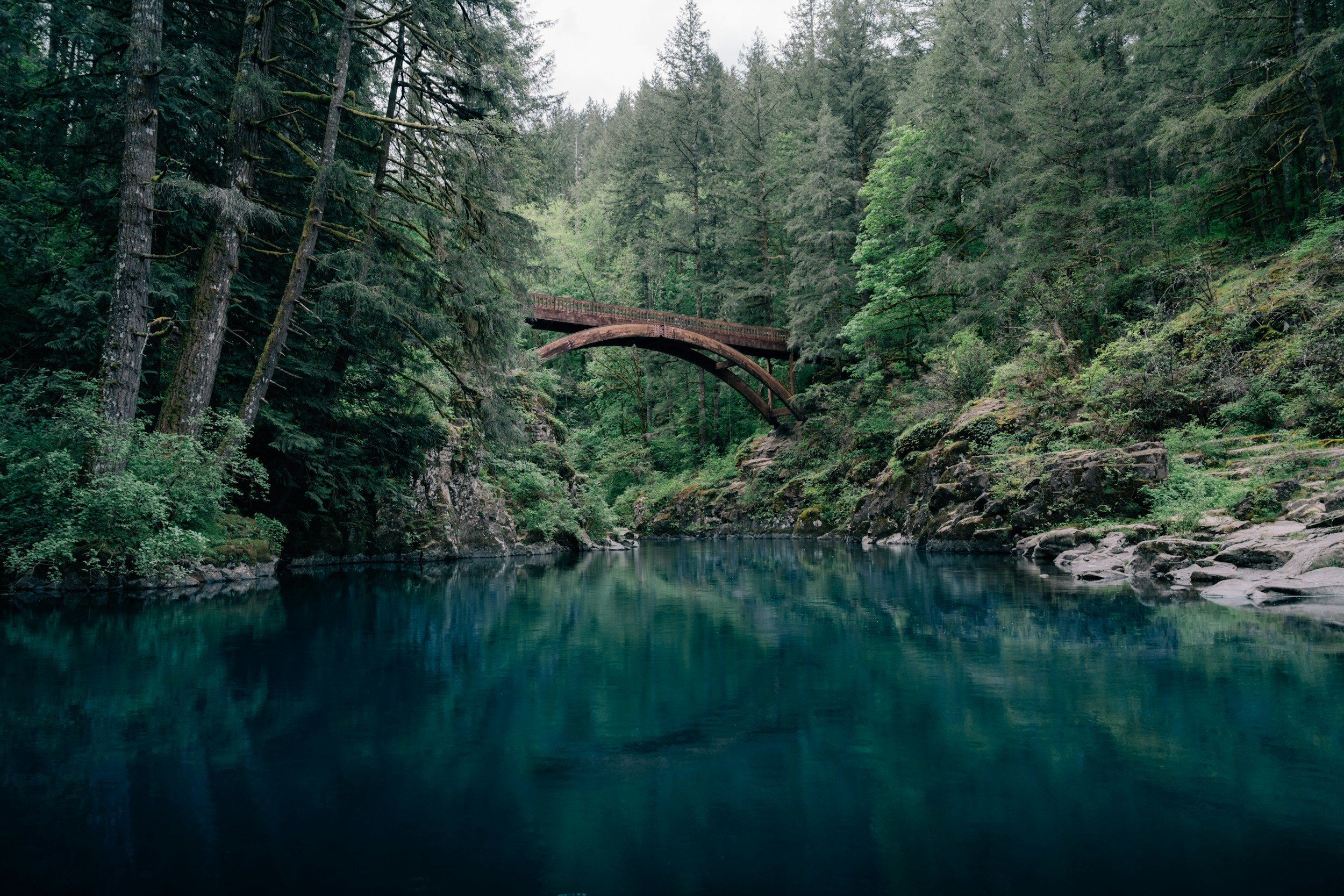
Redwood National Park - Feb/Mar
Yosemite National Park - Feb/Mar
Mount Rainier National Park - Feb/Mar
Maui - April
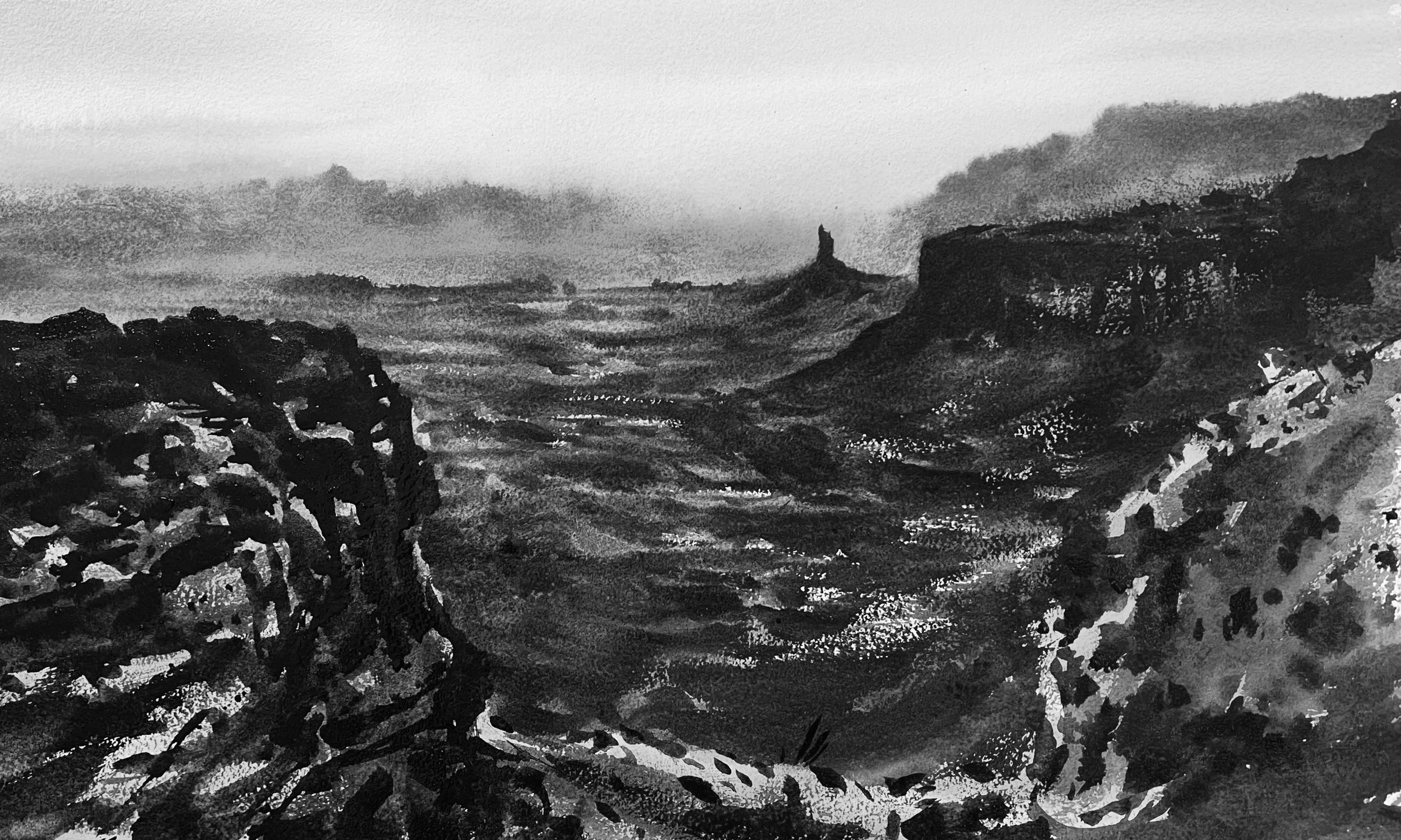
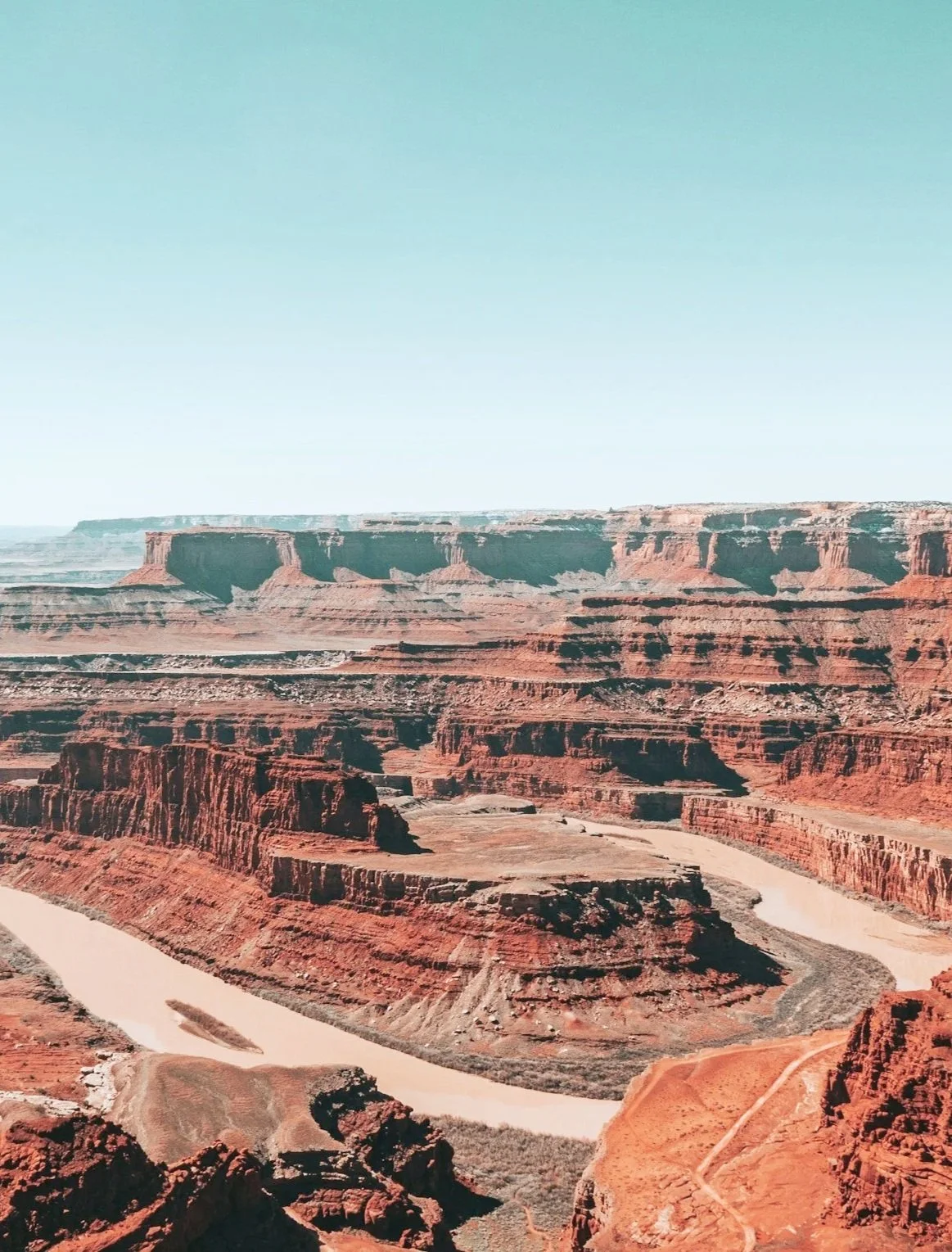
Canyonlands National Park - May
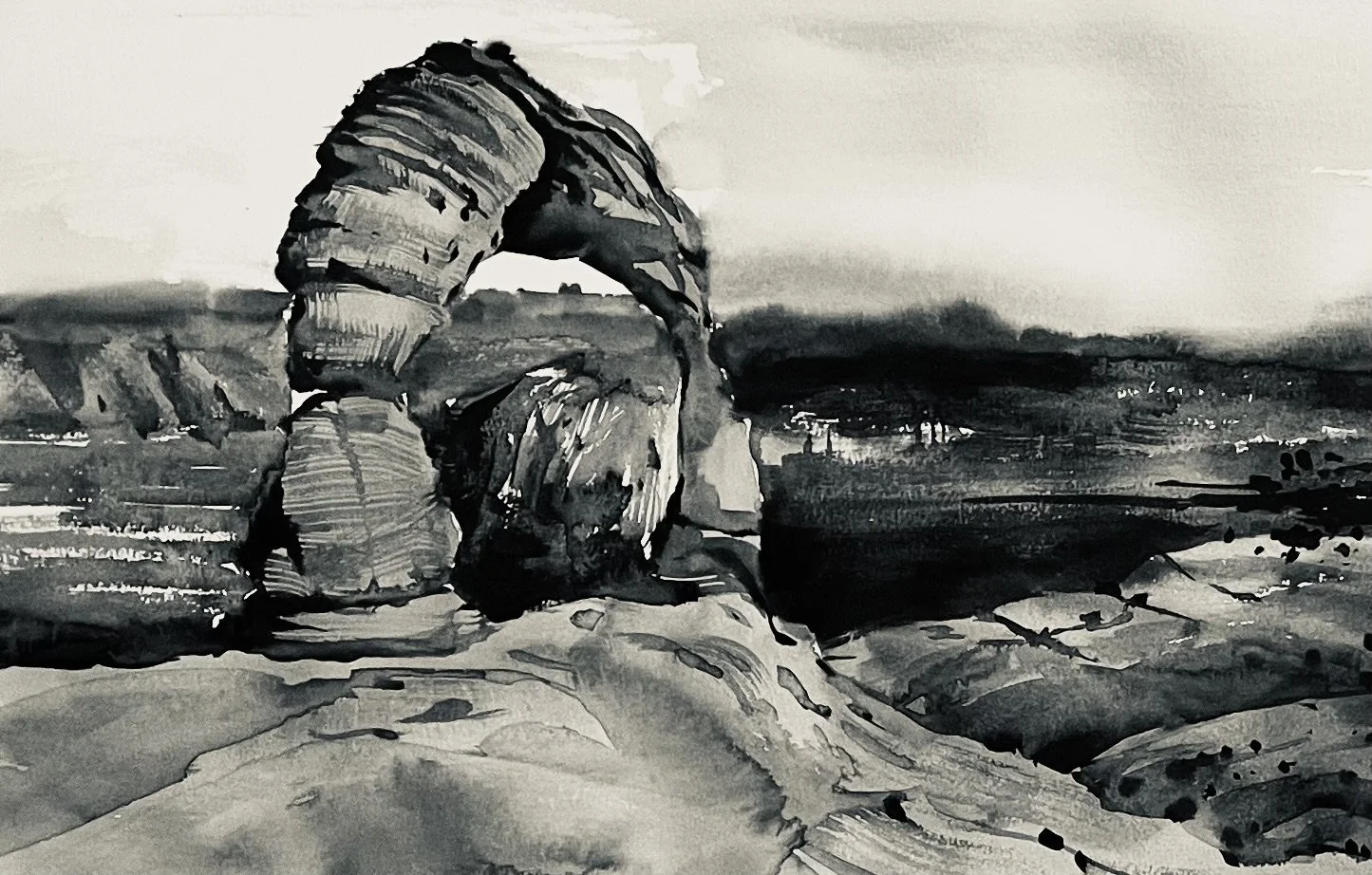
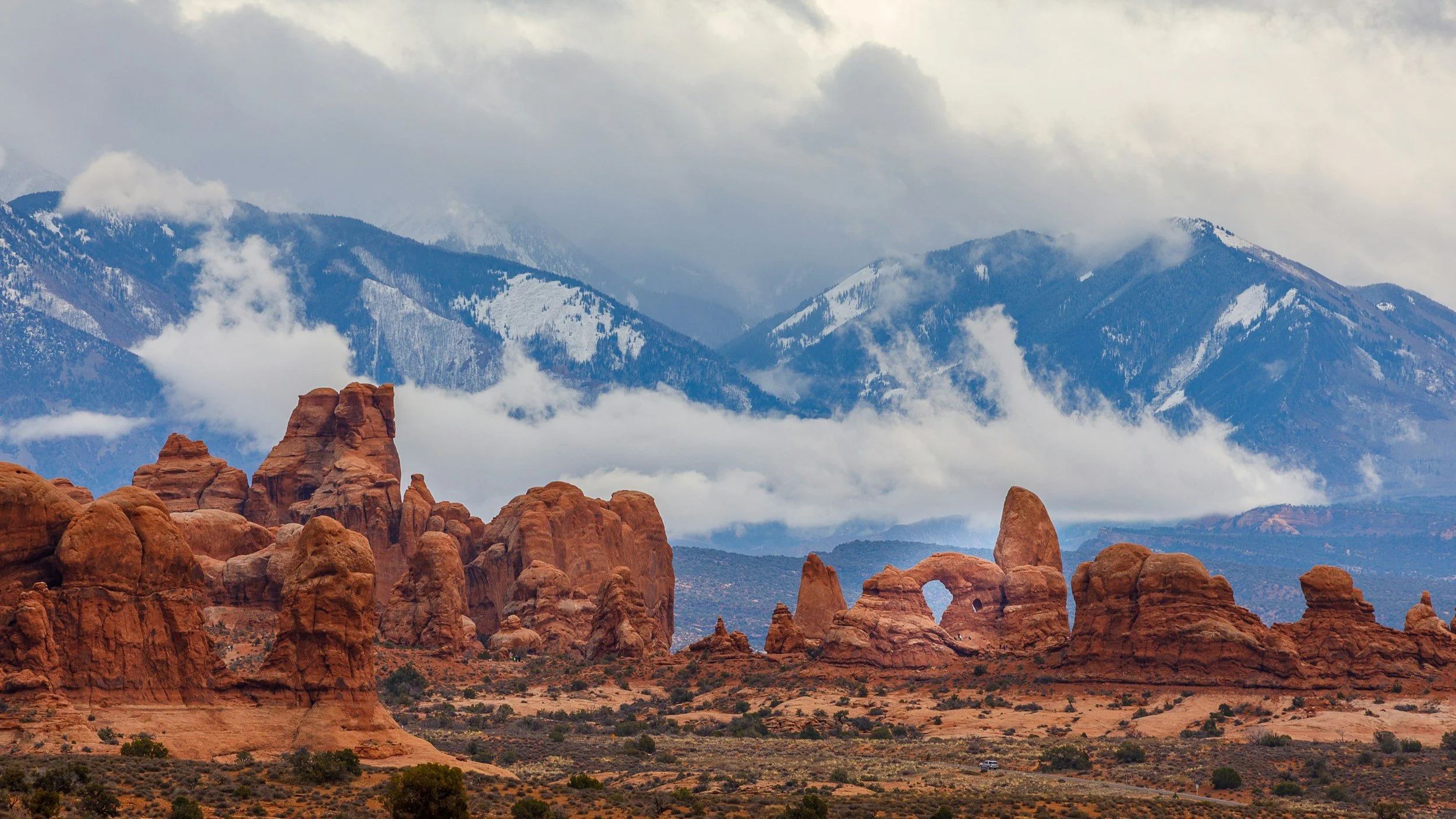
Arches National Park - May
Yellowstone National Park - Jun/Jul
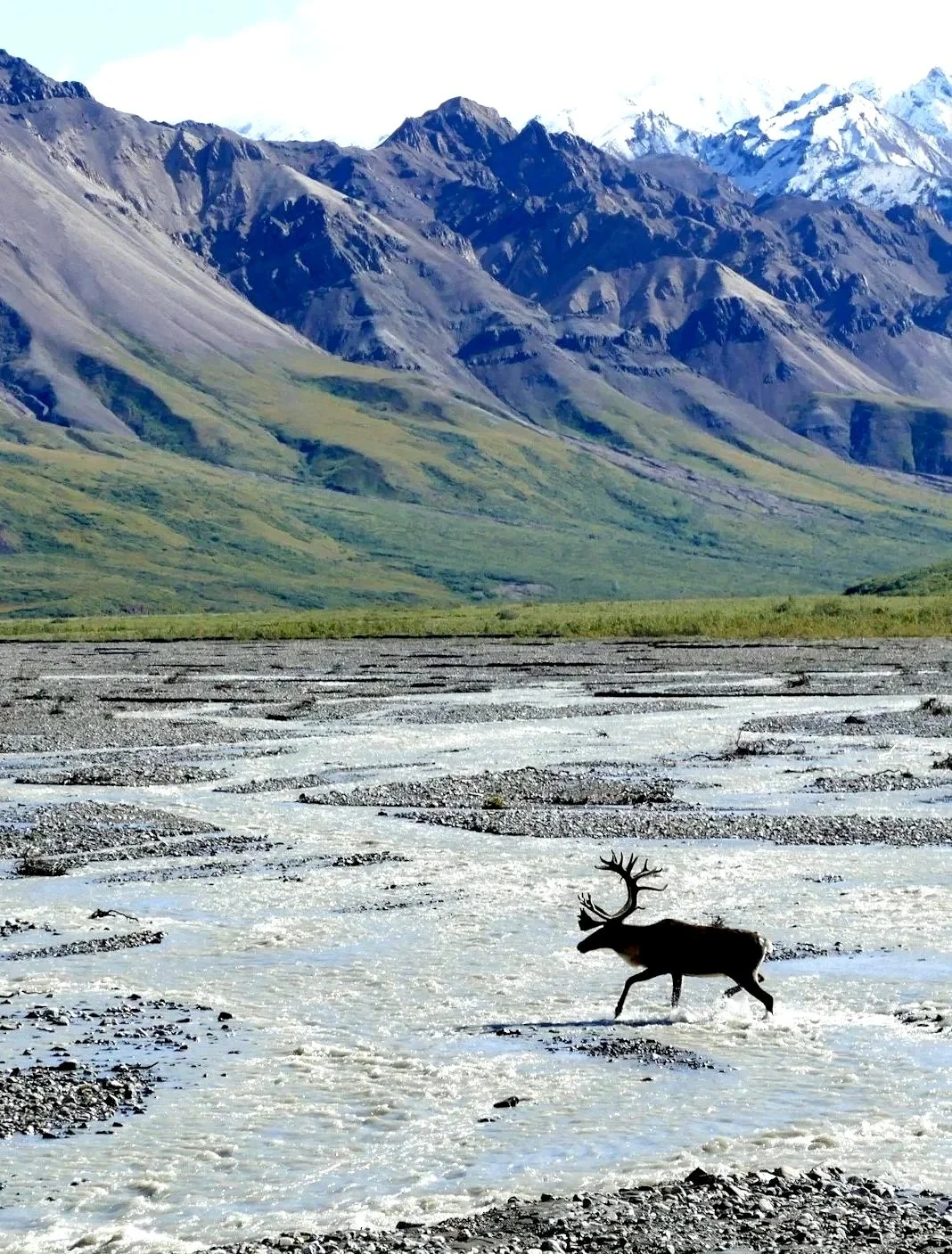
Denali & Katmai National Park - Jun/Jul
Intimate Immensity
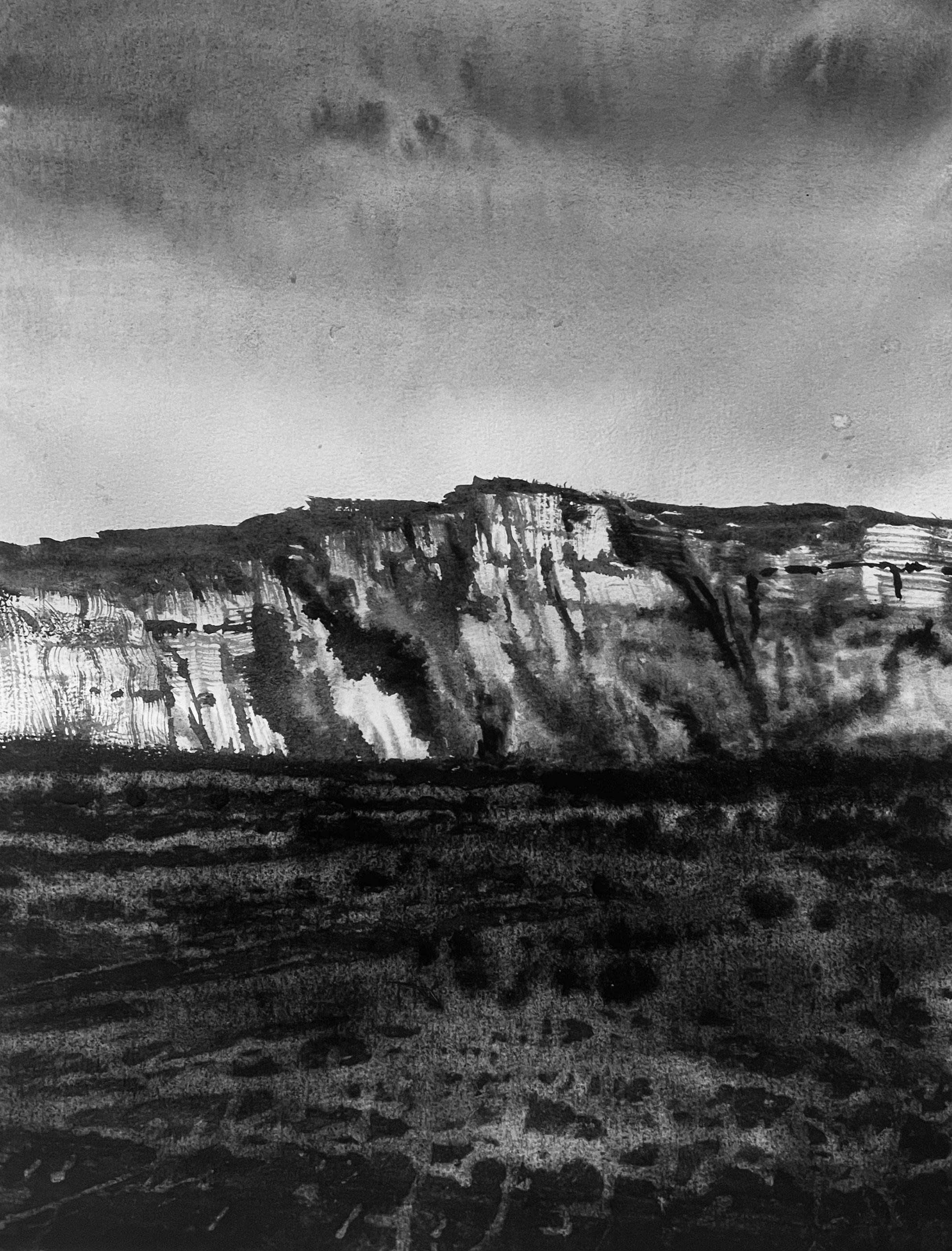
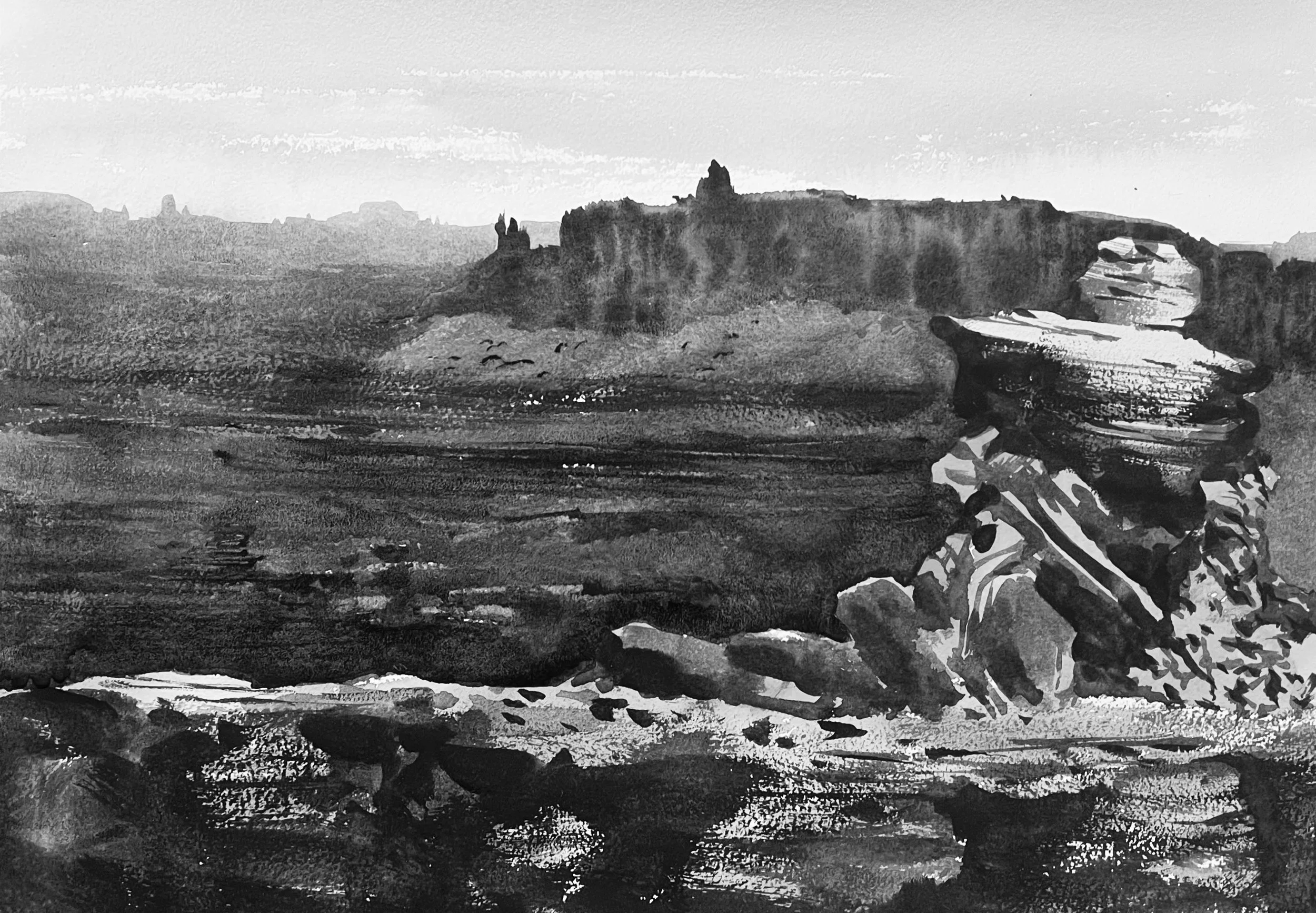
Gaston Bachelard, in The Poetics of Space, writes of a paradox - spaces that expand outward while simultaneously drawing us inward. In this way, the desert and the mountain both belong to the same camp. They ask us not just to see but by reshaping the act of seeing itself, they make us dwell in them.
The desert and the high mountain appear to be polar opposites. One scorches and stretches outward into the distant horizon; the other rises and freezes upward into oblivion. One lacks water through deprivation; the other holds it in suspension, withheld, in waiting.
On this journey, we will seek help. Sargent, Dante, Rumi, Whitman, Rilke, Mary Oliver and many others will help us dwell simultaneously in apparent extremes of art and of life.
Take your well-disciplined strengths
and stretch them between two opposing poles.
Because inside human beings is where God learns.
- Rainer Maria Rilke
Desert excerpts are from Edward Abbey’s Desert Solitaire
The restless sea, the towering mountains, the silent desert—what do they have in common? and what are the essential differences?
Grandeur, color, spaciousness, the power of the ancient and elemental, that which lies beyond the ability of man to wholly grasp or utilize, these qualities all three share. In each there is the sense of something ultimate, with mountains exemplifying the brute force of natural processes, the sea concealing the richness, complexity and fecundity of life beneath a surface of huge monotony, and the desert — what does the desert say?
The desert says nothing. Completely passive, acted upon but never acting, the desert lies there like the bare skeleton of Being, spare, sparse, austere, utterly worthless, inviting not love but contemplation. In its simplicity and order it suggests the classical, except that the desert is a realm beyond the human and in the classicist view only the human is regarded as significant or even recognized as real.
Despite its clarity and simplicity, however, the desert wears at the same time, paradoxically, a veil of mystery. Motionless and silent it evokes in us an elusive hint of something unknown, unknowable, about to be revealed. Since the desert does not act it seems to be waiting—but waiting for what?
The desert is different. Not so hostile as the snowy peaks, nor so broad and bland as the ocean’s surface, it lies open—given adequate preparation—to leisurely exploration, to extended periods of habitation. Yet it can hardly be called a humane environment; what little human life there is will be clustered about the oases, natural or man-made. The desert waits outside, desolate and still and strange, unfamiliar and often grotesque in its forms and colors, inhabited by rare, furtive creatures of incredible hardiness and cunning, sparingly colonized by weird mutants from the plant kingdom, most of them as spiny, thorny, stunted and twisted as they are tenacious.
There is something about the desert that the human sensibility cannot assimilate or has not so far been able to assimilate.
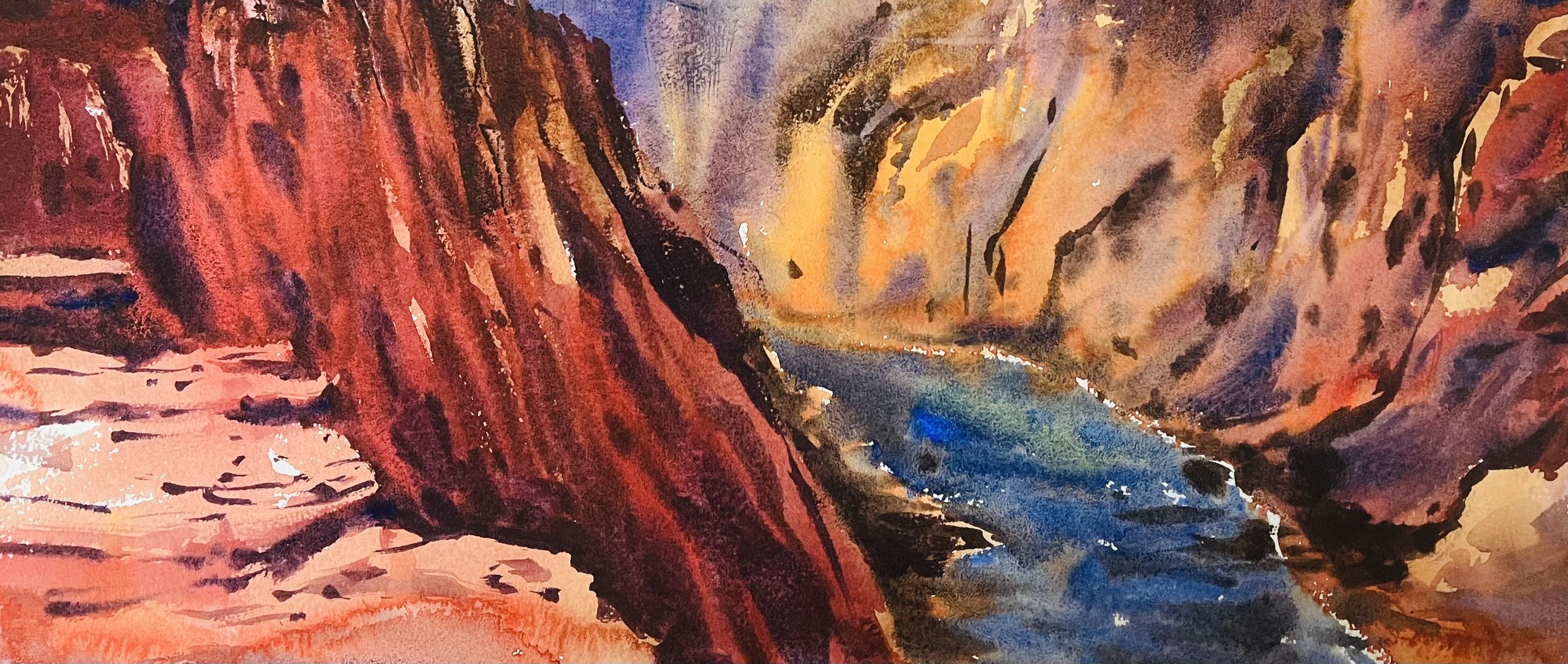
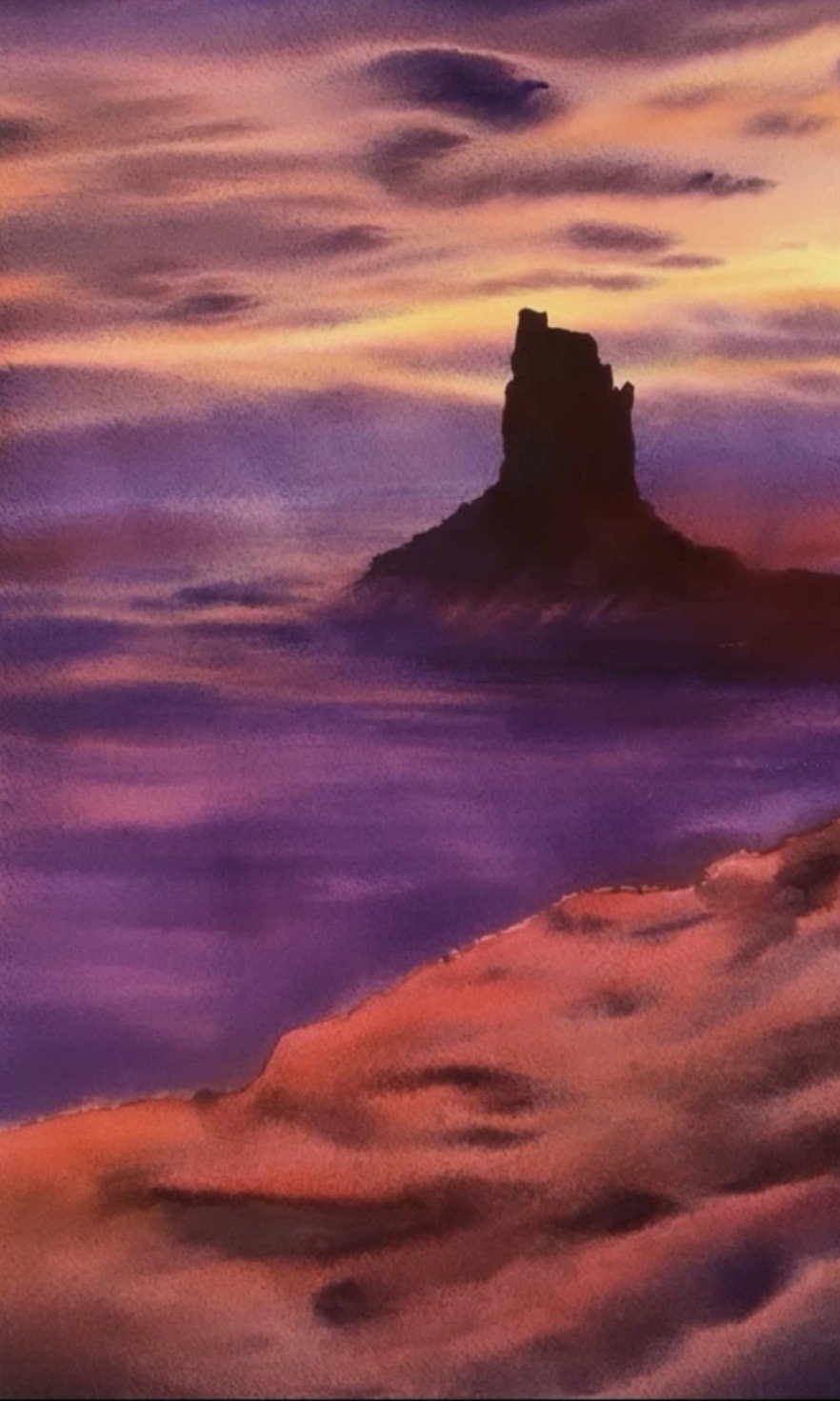
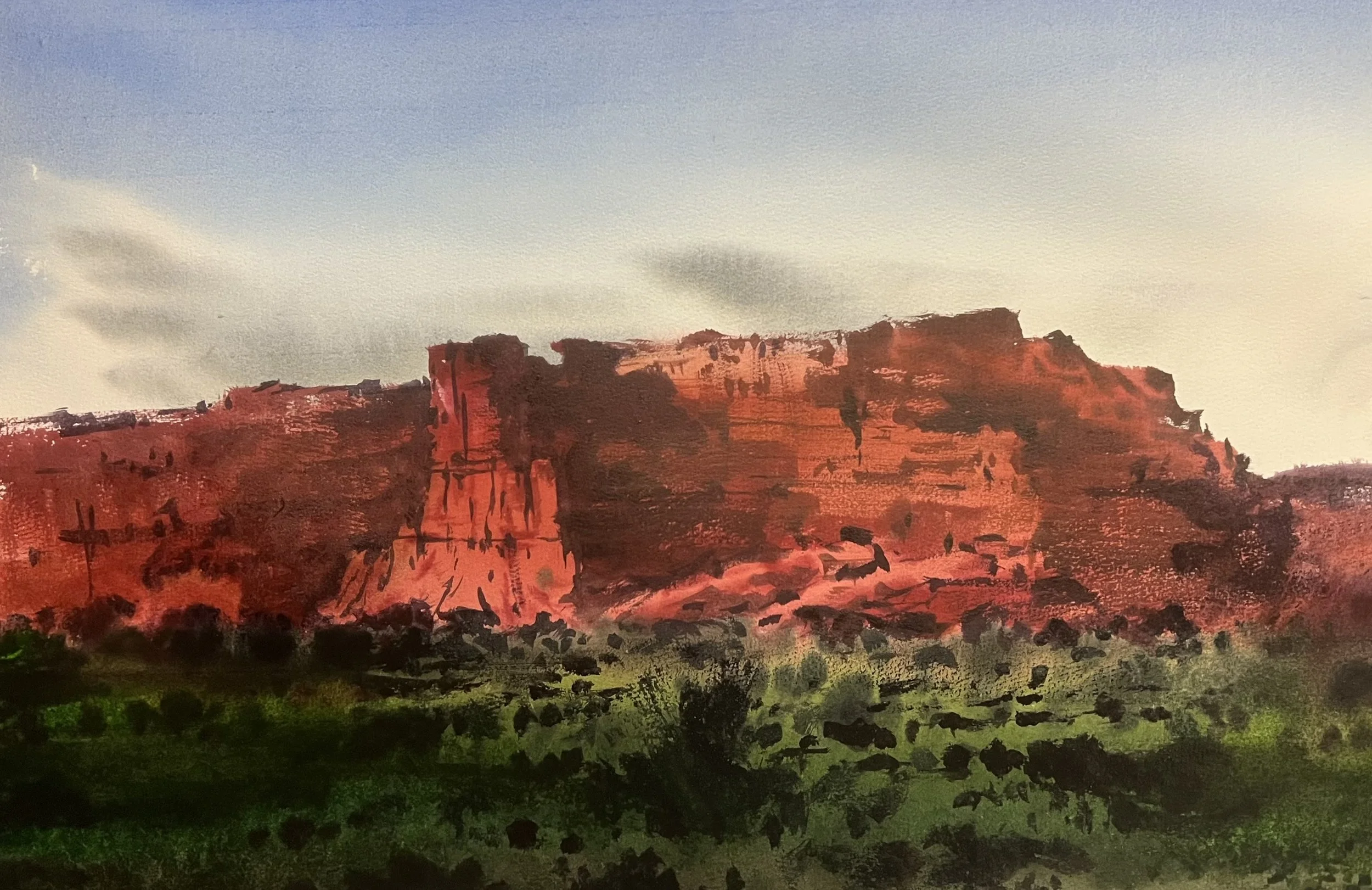
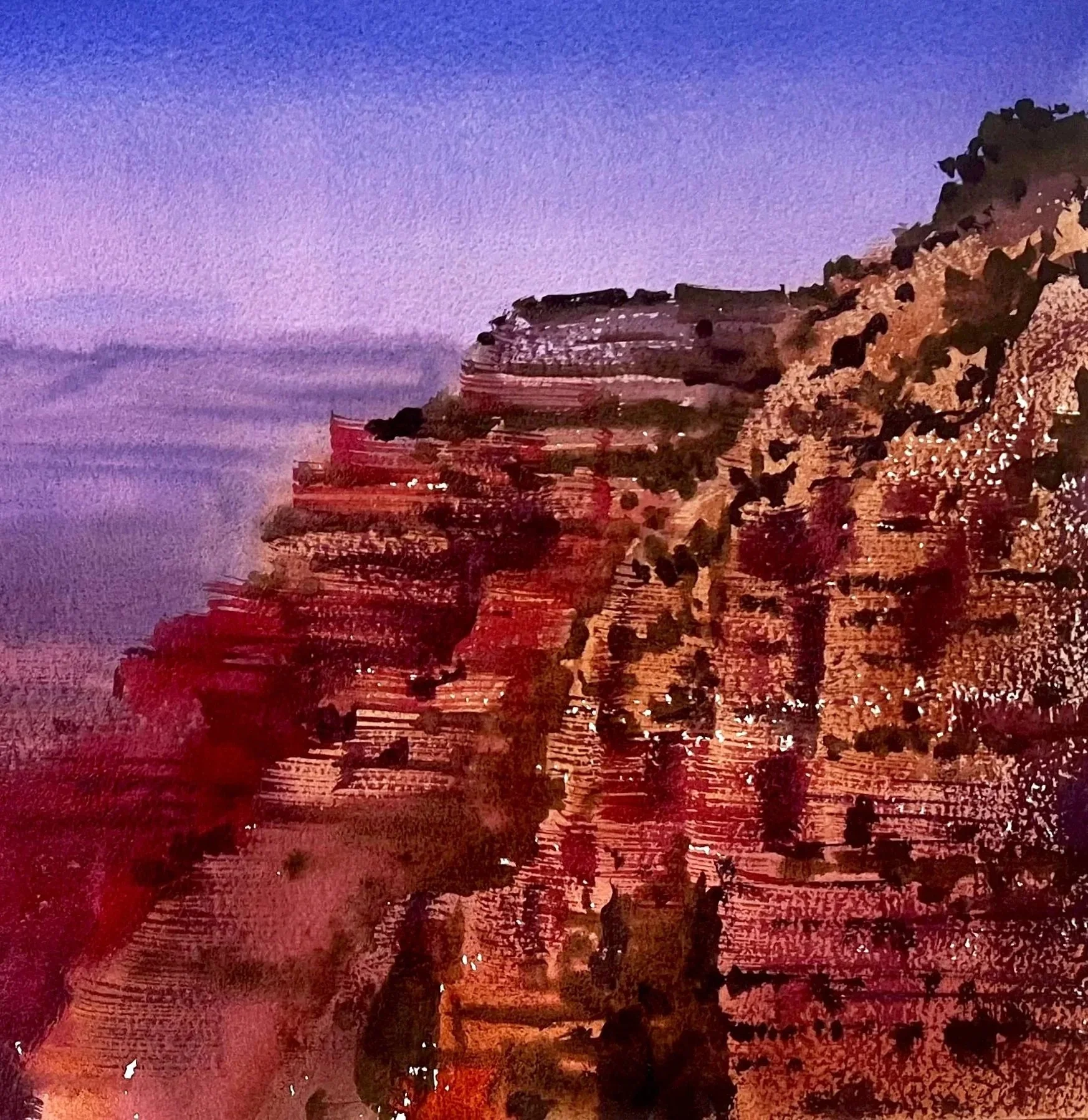
The very names are lovely — chalcedony, carnelian, jasper, Chrysoprase and agate. Onyx and sardonyx. Cryptocrystalline quartz. Quartzite. Flint, chert and sard. Chrysoberyl, spodumene, garnet, zircon and malachite. Obsidian, turquoise, calcite, feldspar, hornblende, pyrope, tourmaline, porphyry, arkose, rutile. The rare metals — lithium, cobalt, beryllium, mercury, arsenic, molybdenum, titanium and barium. And the basic rocks — basalt, granite, gneiss, limestone, sandstone, marble, slate, gabbro, shale.
Most of them can be found in this area. If you look hard enough and long enough. By this area I mean southeastern Utah: the canyonlands; Abbey’s country.
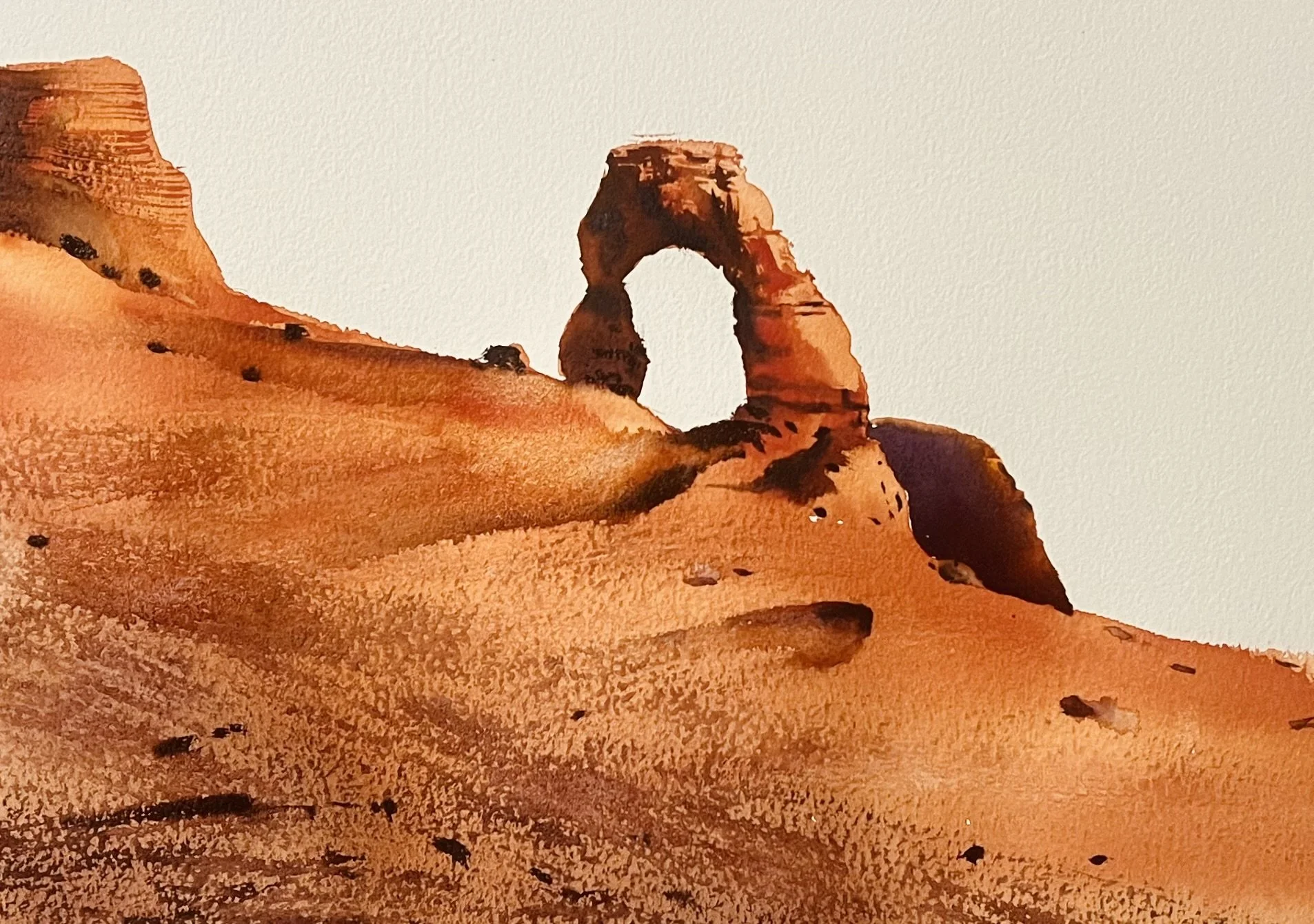
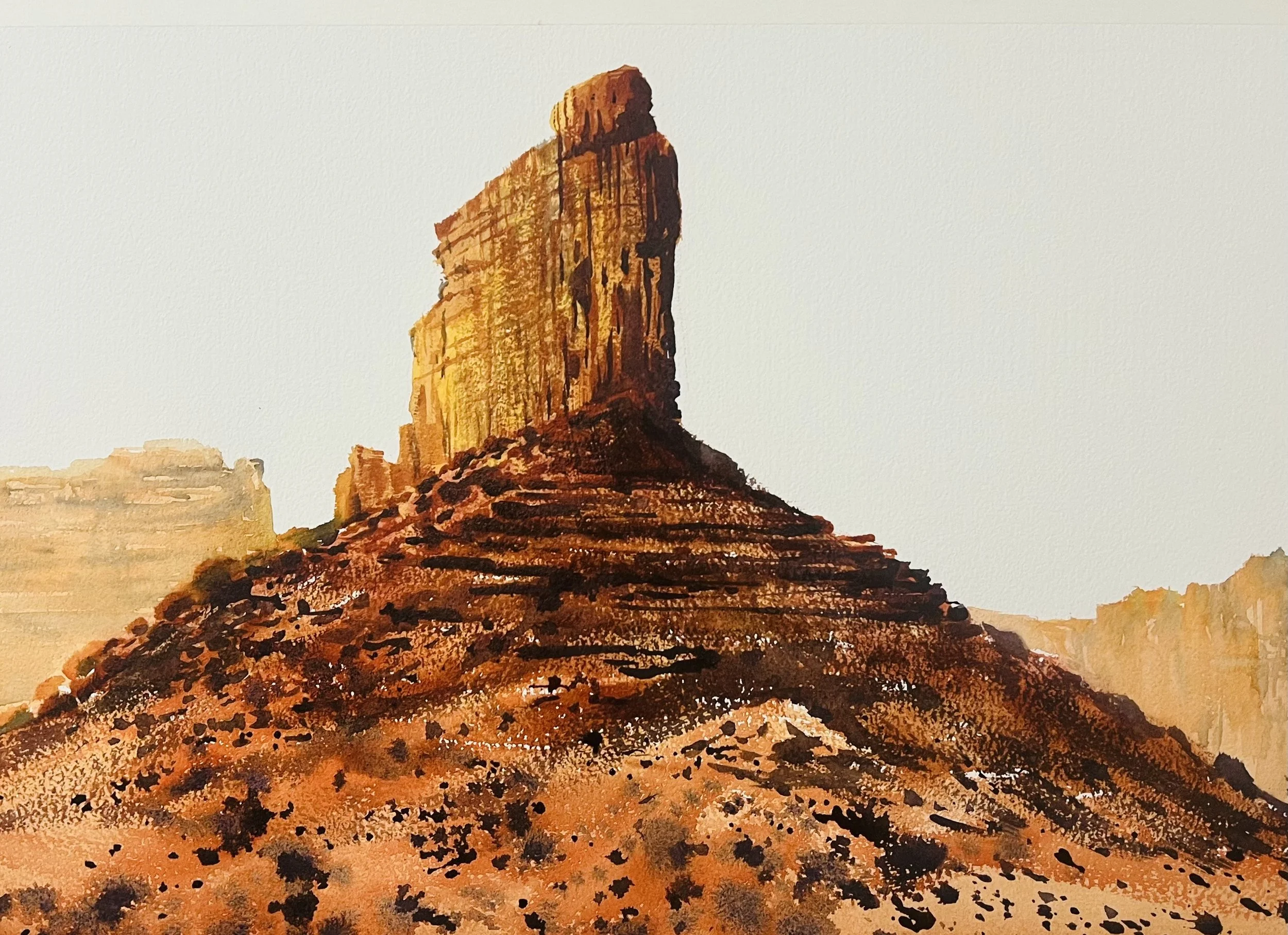
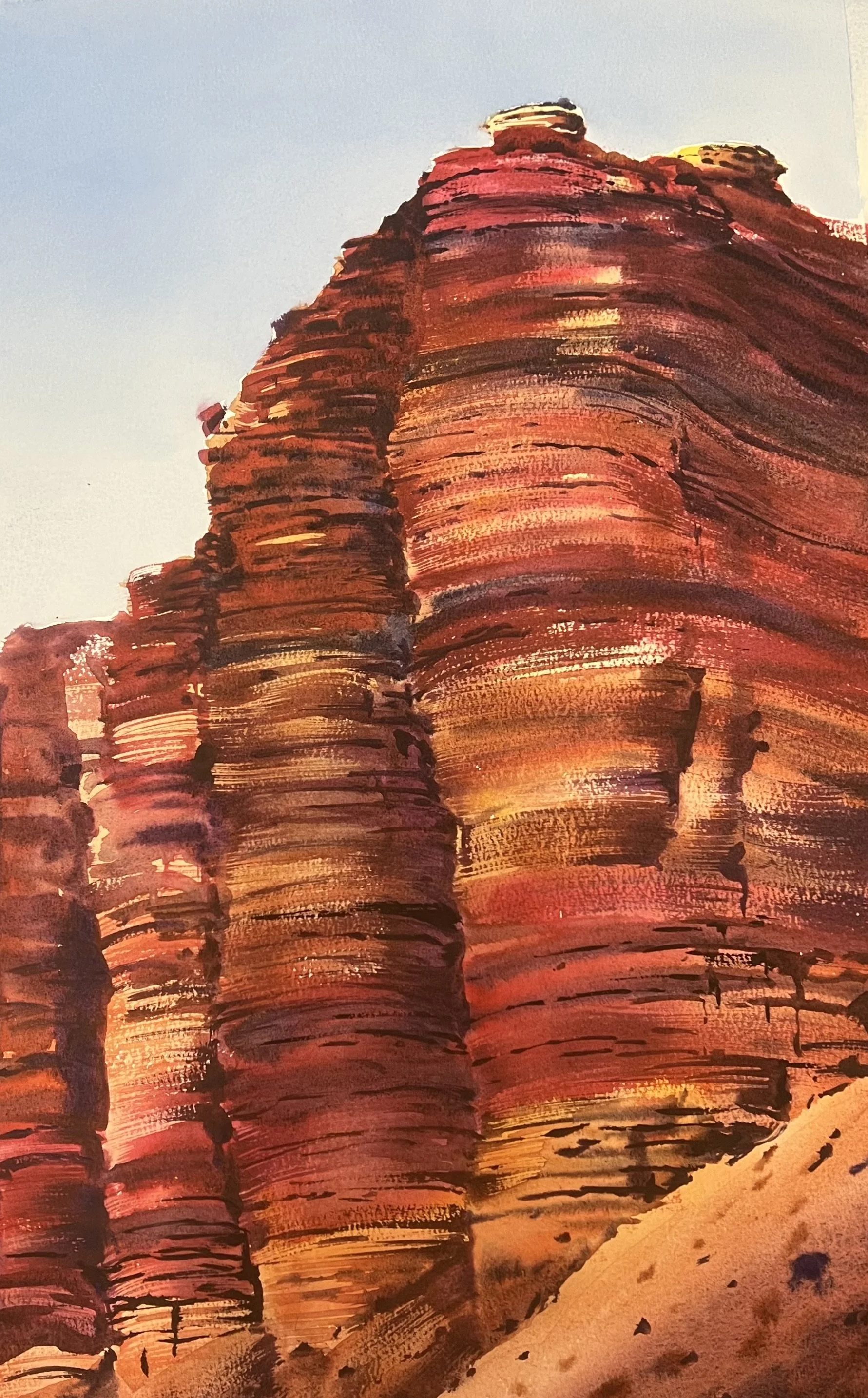
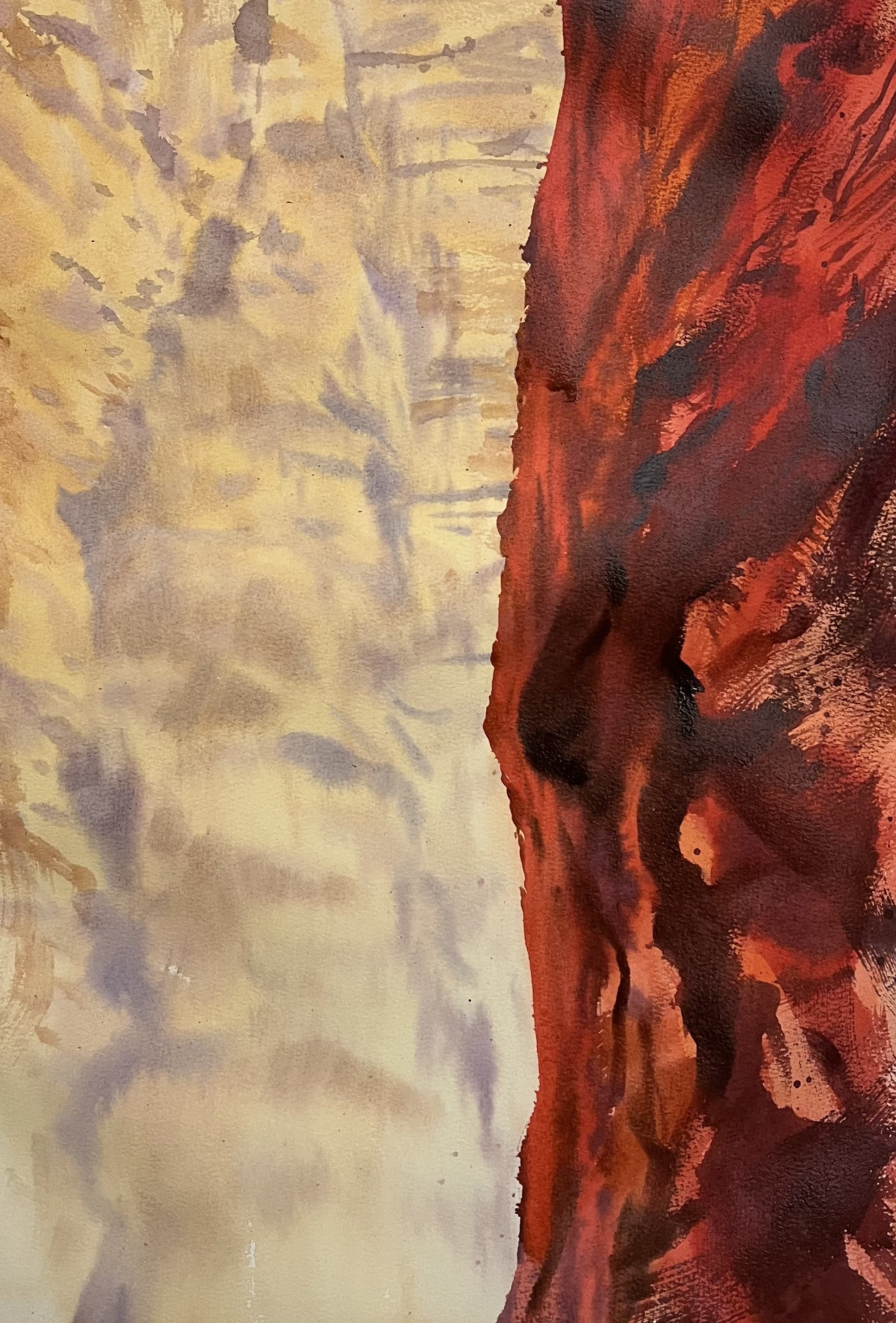
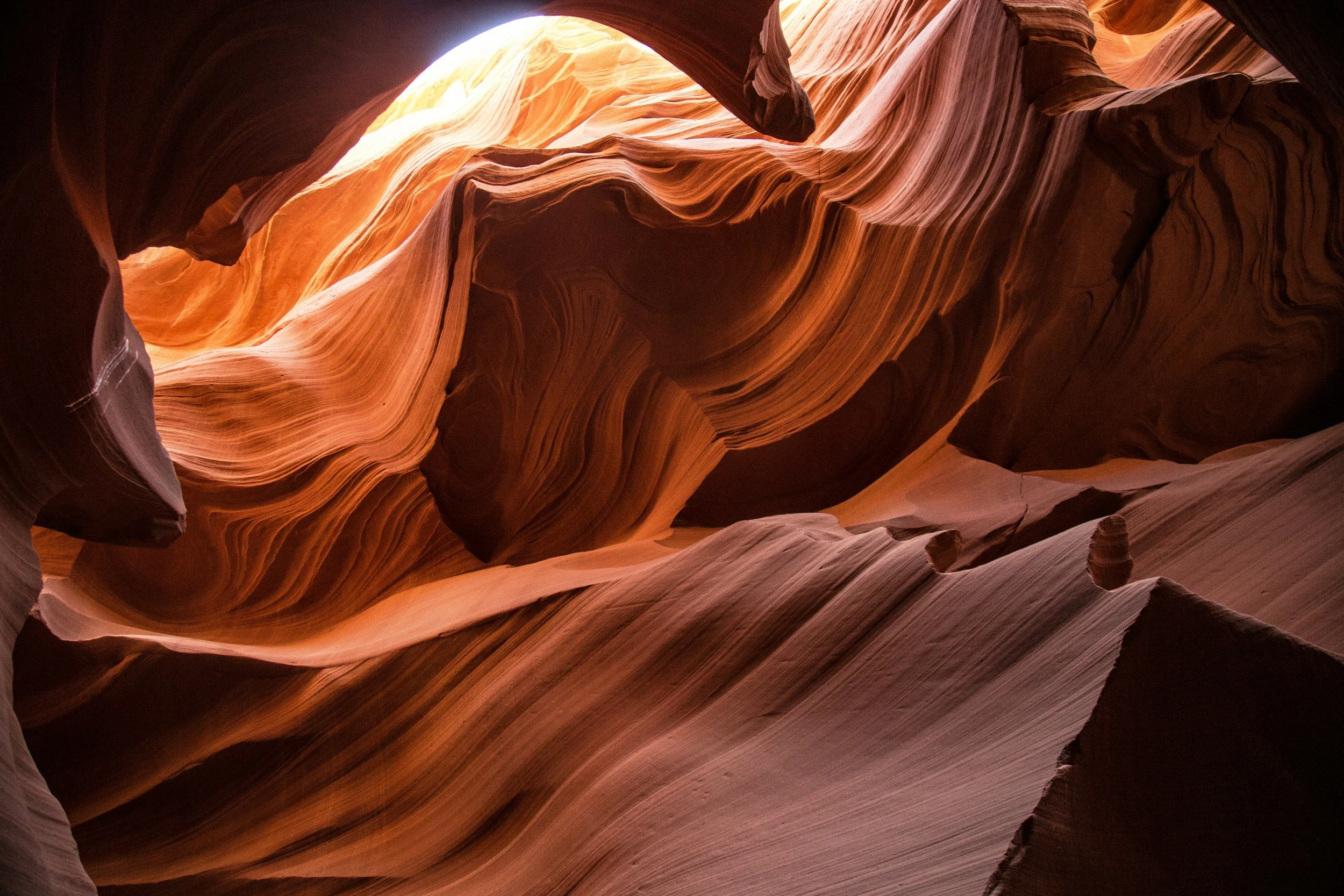
Where is the heart of the desert?
I used to think that somewhere in the American Southwest, impossible to say exactly where, all of these wonders which intrigue the spirit would converge upon a climax—and resolution. Perhaps in the vicinity of Weaver’s Needle in the Superstition Range; in the Funeral Mountains above Death Valley; in the Smoke Creek Desert of Nevada; among the astonishing monoliths of Monument Valley; in the depths of Grand Canyon; somewhere along the White Rim under Grandview Point; in the heart of the Land of Standing Rocks.
Not so.
I am convinced now that the desert has no heart, that it presents a riddle which has no answer, and that the riddle itself is an illusion created by some limitation or exaggeration of the displaced human consciousness. This at least is what I tell myself when I fix my attention on what is rational, sensible and realistic, believing that I have overcome at last that gallant infirmity of the soul called romance—that illness, that disease, that insidious malignancy which must be chopped out of the heart once and for all, ground up, cooked, burnt to ashes… consumed. And for so long as I stay away from the desert, keep to the mountains or the sea or the city, it is possible to think myself cured. Not easy: one whiff of juniper smoke, a few careless words, one reckless and foolish poem—The Wasteland, for instance—and I become as restive, irritable, brooding and dangerous as a wolf in a cage.
“Every man's condition is a solution in hieroglyphic to those inquiries he would put. He acts it as life, before he apprehends it as truth.”
- R W Emerson
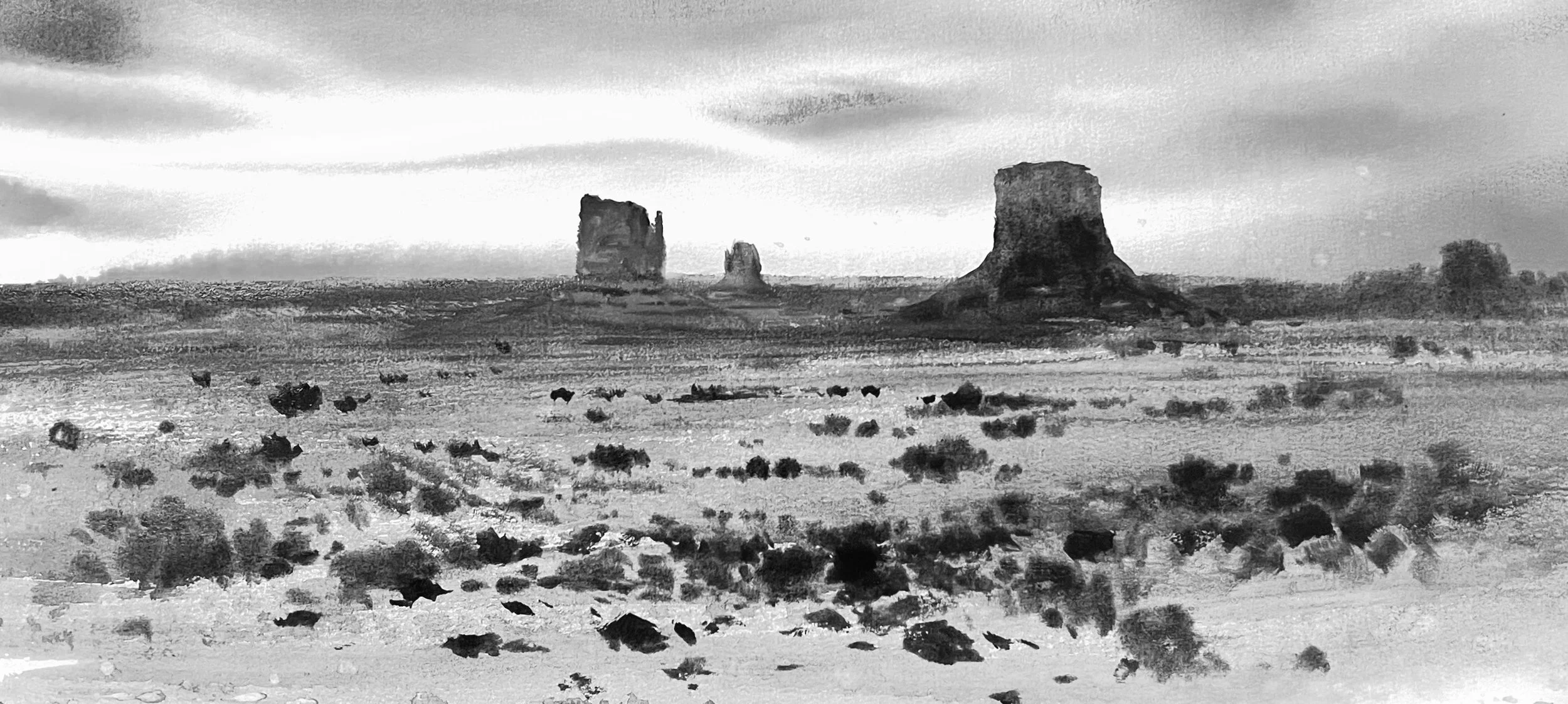
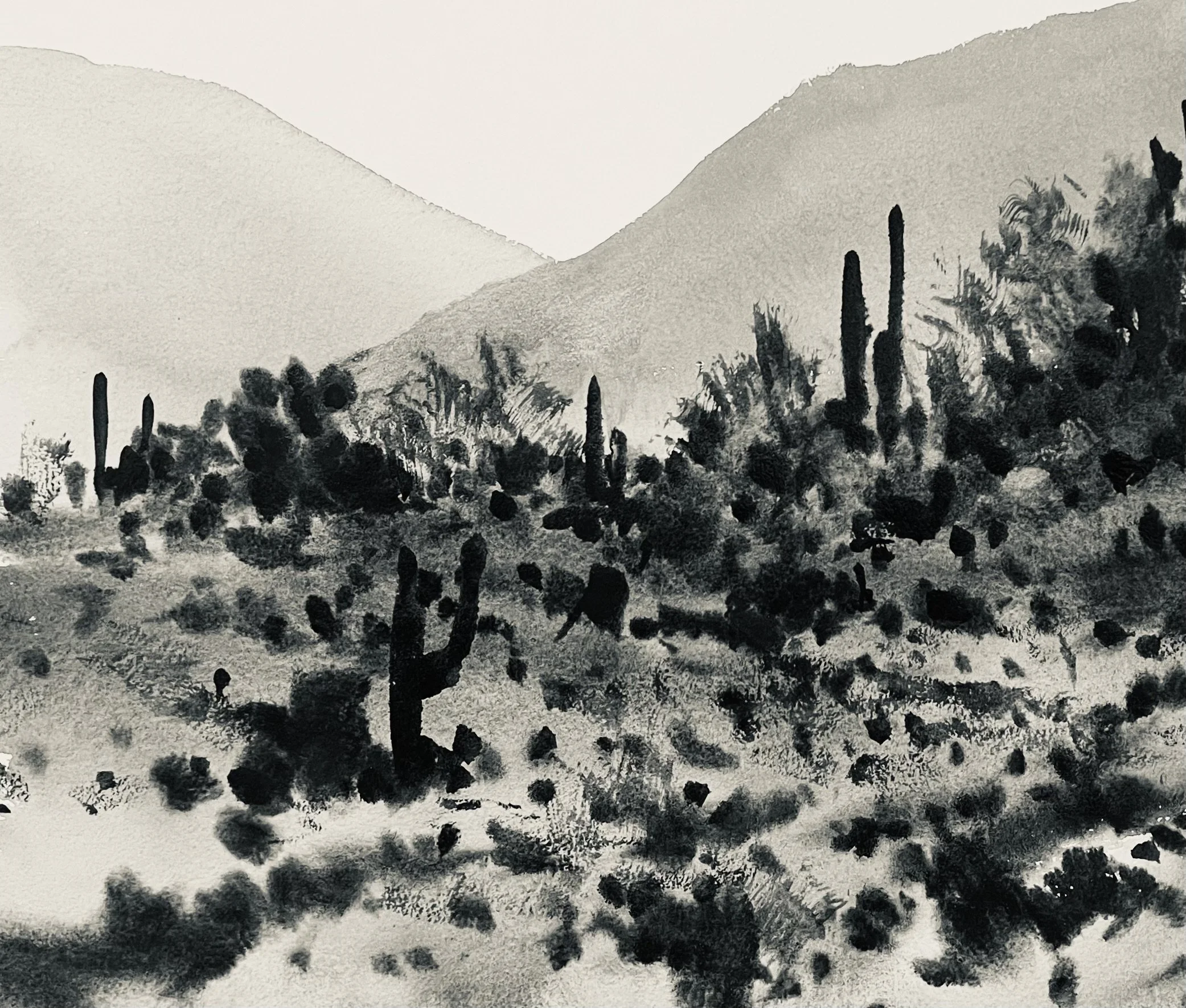
He is my creature.
“Most persons do not see the sun. At least they have a very superficial seeing. The sun illuminates only the eye of the man, but shines into the eye and the heart of the child. The lover of nature is he whose inward and outward senses are still truly adjusted to each other, who has retained the spirit of infancy even into the era of manhood. His intercourse with heaven and earth, becomes part of his daily food. In the presence of nature, a wild delight runs through the man, in spite of real sorrows.
Nature says,—he is my creature, and maugre all his impertinent griefs, he shall be glad with me.”
R W Emerson, Ch 1 - Nature
His vision, from the constantly passing bars,
has grown so weary that it cannot hold
anything else. It seems to him there are
a thousand bars; and behind the bars, no world.
As he paces in cramped circles, over and over,
the movement of his powerful soft strides
is like a ritual dance around a center
in which a mighty will stands paralyzed.
Only at times, the curtain of the pupils
lifts, quietly. An image enters in,
rushes down through the tensed, arrested muscles, plunges into the heart and is gone.
Rainer Maria Rilke, The Panther
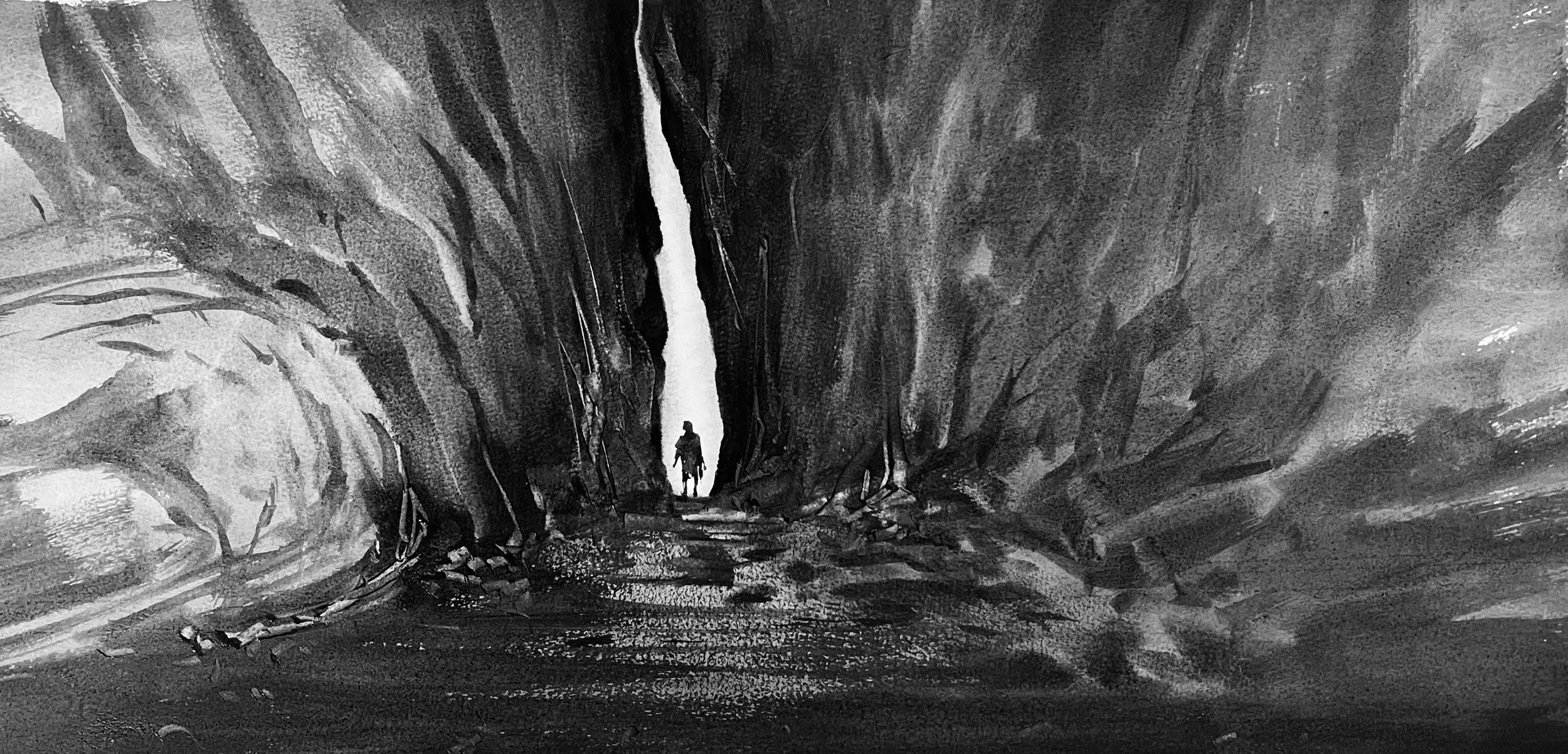
Darkness shall be the light.
I said to my soul, be still, and let the dark come upon you
… I said to my soul, be still, and wait without hope
For hope would be hope for the wrong thing; wait without love,
For love would be love of the wrong thing; there is yet faith
But the faith and the love and the hope are all in the waiting.
Wait without thought, for you are not ready for thought:
So the darkness shall be the light, and the stillness the dancing.
- T S Elliot, Four Quartets - East Coker
Rattus Urbanus
“This would be good country,’ a tourist says to me,
‘if only you had some water.’
He’s from Cleveland, Ohio.
‘If we had water here,’ I reply, ‘this country would not be what it is. It would be like Ohio, wet and humid and hydrological, all covered with cabbage farms and golf courses. Instead of this lovely barren desert we would have only another blooming garden state, like New Jersey. You see what I mean?’
‘If you had more water more people could live here.’
‘Yes sir. And where then would people go when they wanted to see something besides people?’
‘I see what you mean. Still, I wouldn’t want to live here. So dry and desolate. Nice for pictures but my God I’m glad I don’t have to live here.’
‘I’m glad too, sir. We’re in perfect agreement. You wouldn’t want to live here, I wouldn’t want to live in Cleveland. We’re both satisfied with the arrangement as it is. Why change it?’
‘Agreed.’
We shake hands and the tourist from Ohio goes away pleased, as I am pleased, each of us thinking he has taught the other something new.