Painting My Passport
An Artist’s Pilgrimage Around Australia
A passport usually gets you dreaming about all the places you can go outside your own country. When I leafed through mine, I realised there were 17 landmarks printed inside it. I have lived in Australia for more than two decades, yet many of them are still places I know only by name or image. There is something quietly unsettling about that: I have spent years looking outward, travelling elsewhere, while so much of the country I call home remains unseen.
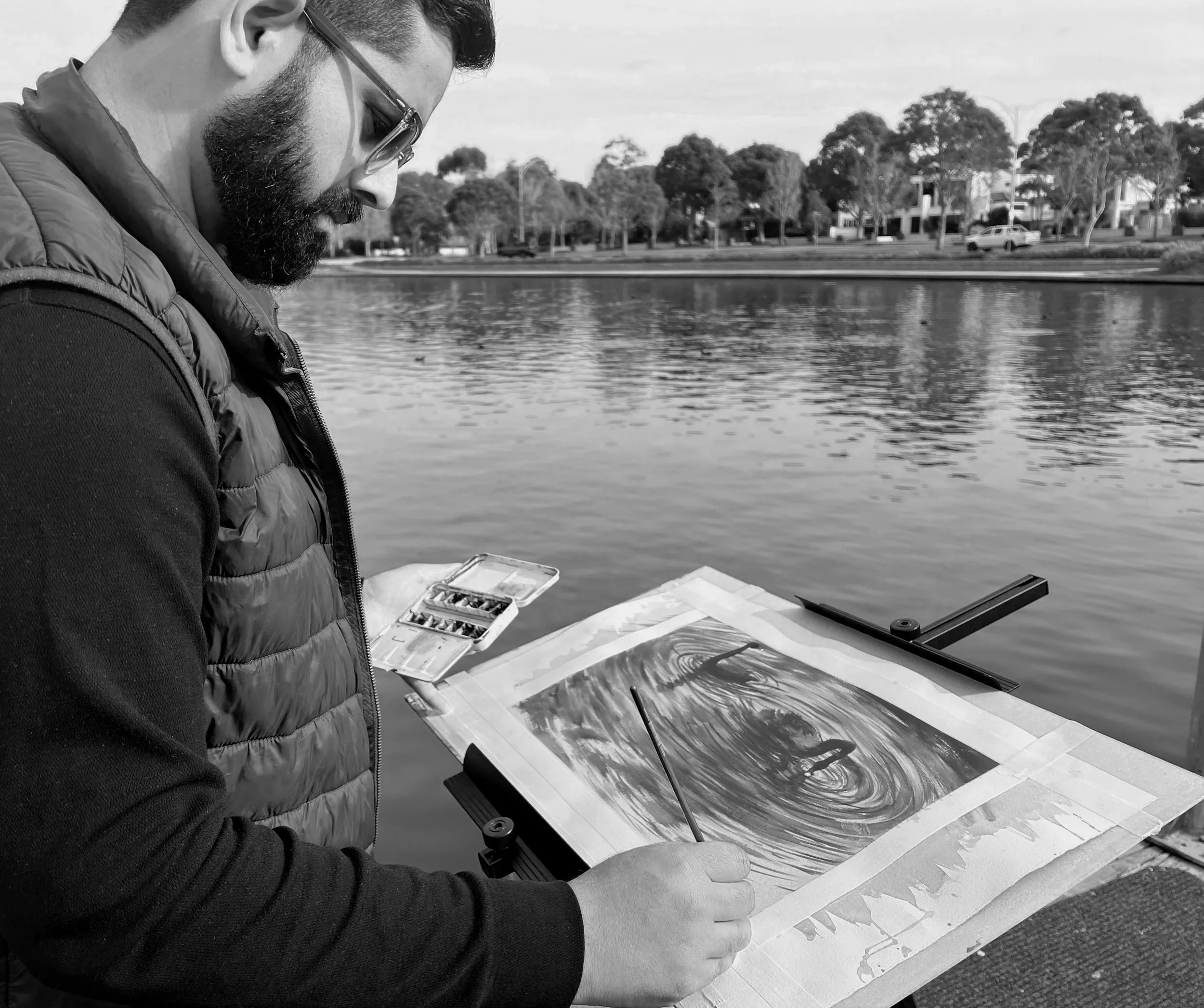
So, I will be travelling around Australia painting all 17 landmarks on location.
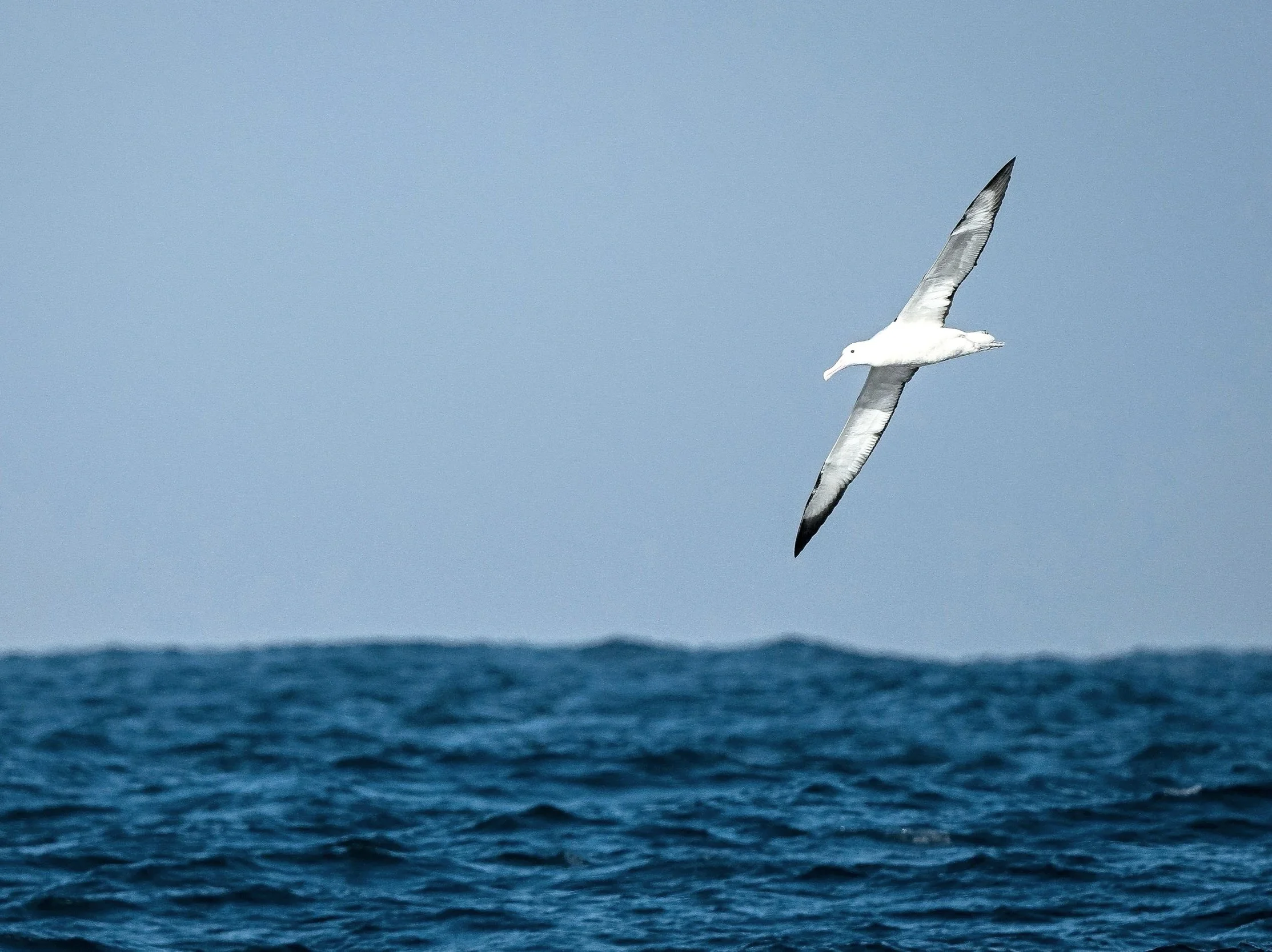
The project is about seeking new landscapes and new eyes simultaneously - How travelling changes the way we perceive and why a few places that resonate with us eventually become the places we remember ourselves by. Mostly though, this is a gesture of and an invitation for feeling gratitude before my passport takes me elsewhere again.
20,000+ km · 17 Landmarks · Limited Palette · Plein Air
-
![]()
Sydney Harbour
PORT JACKSON
-
![]()
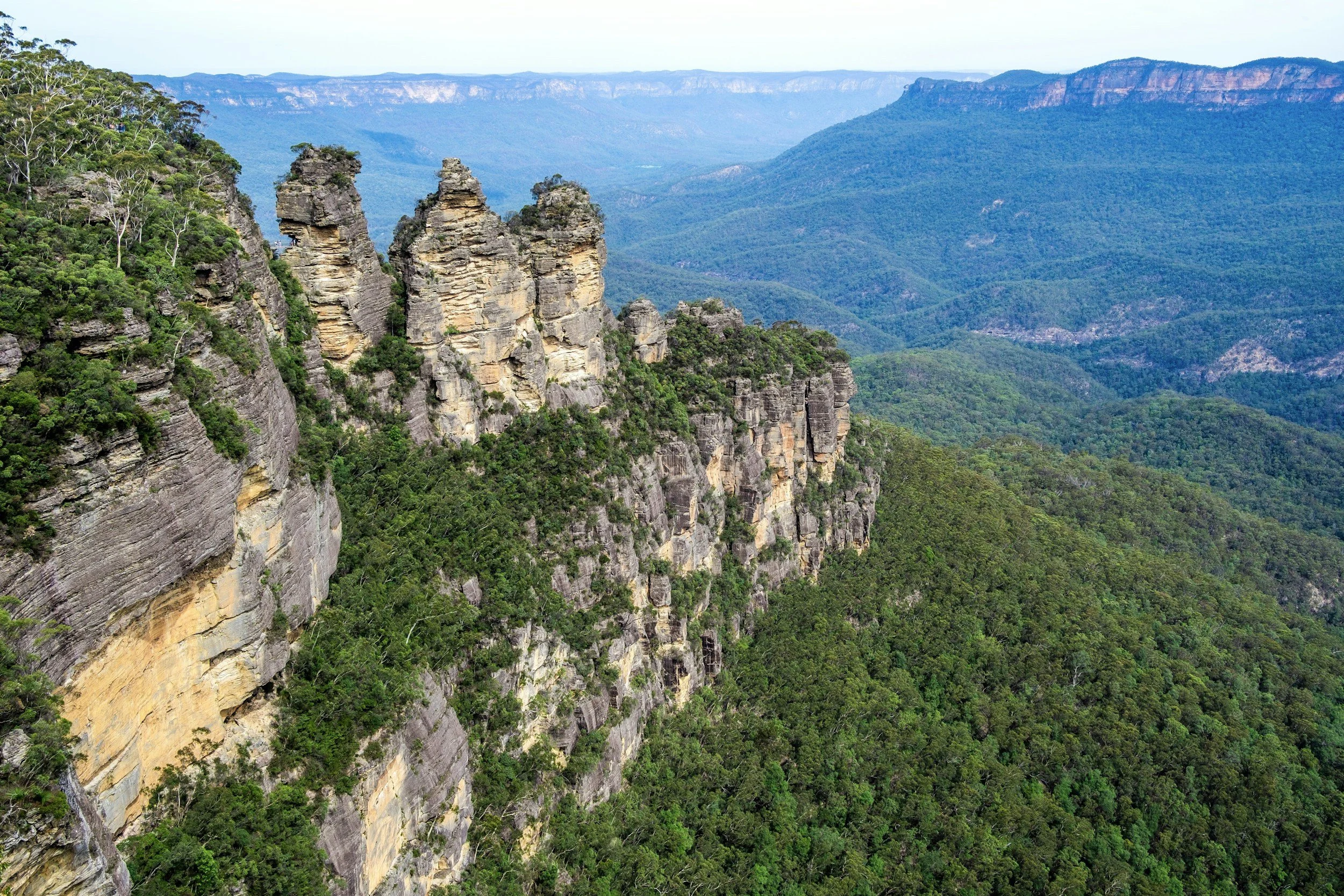
Three Sisters
BLUE MOUNTAINS NATIONAL PARK
-
![]()
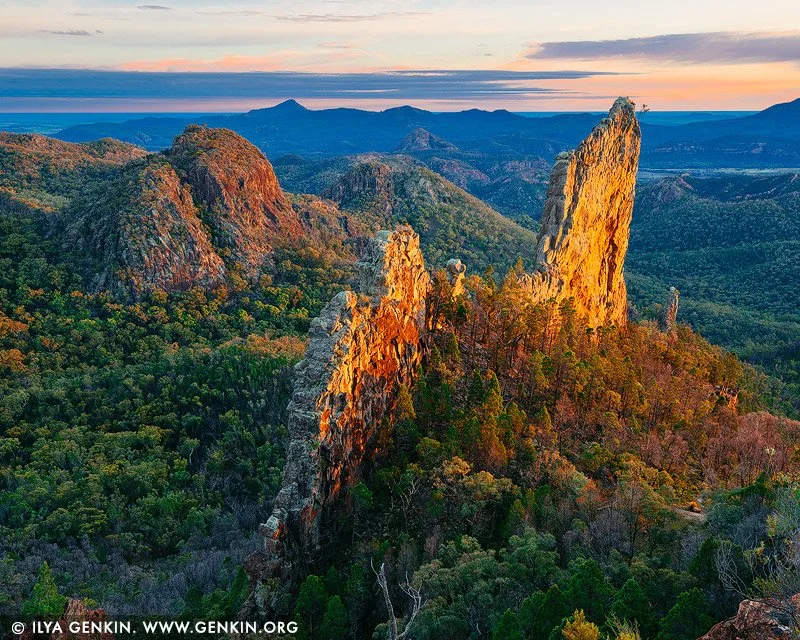
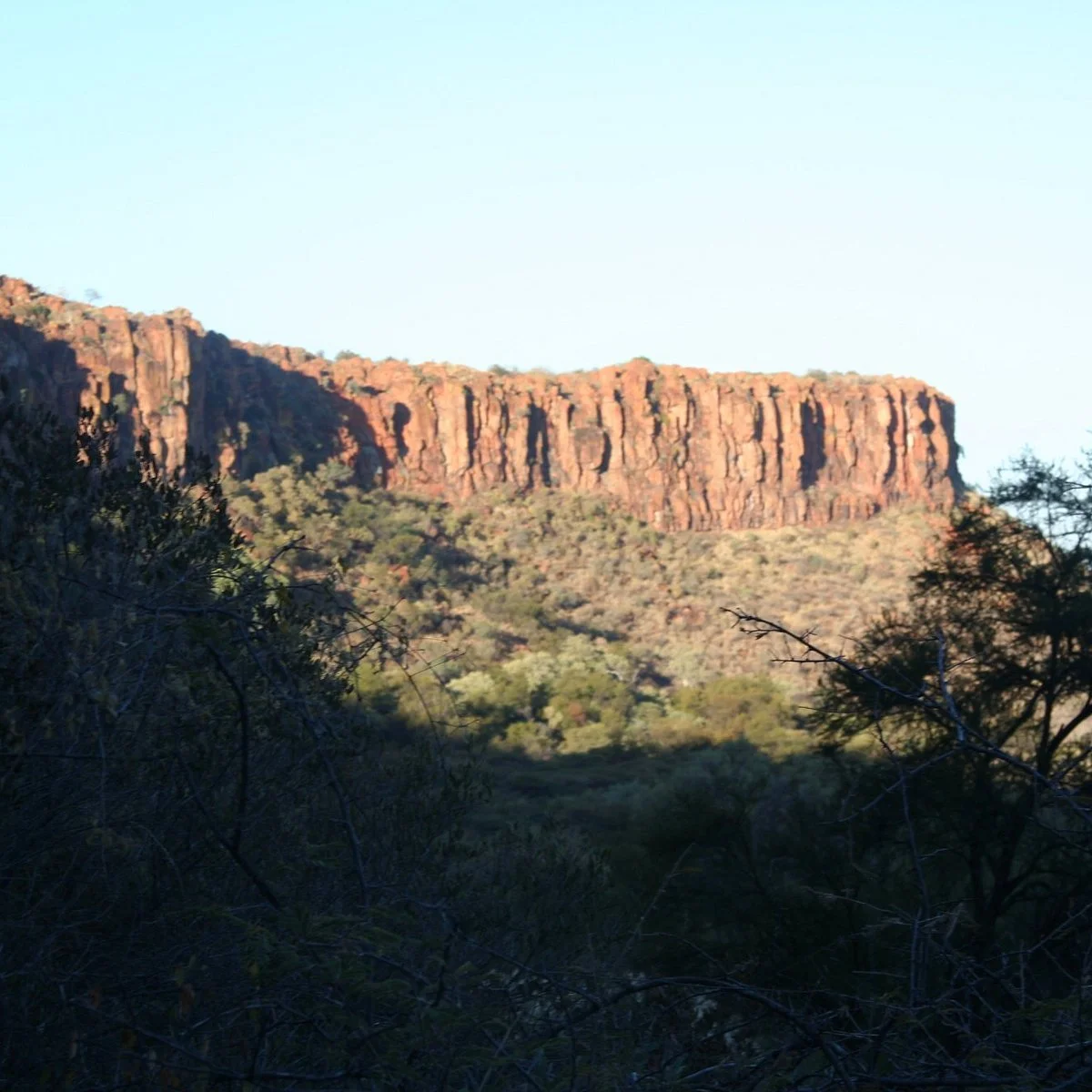
The Breadknife
WARRUMBUNGLE RANGE
-
![]()
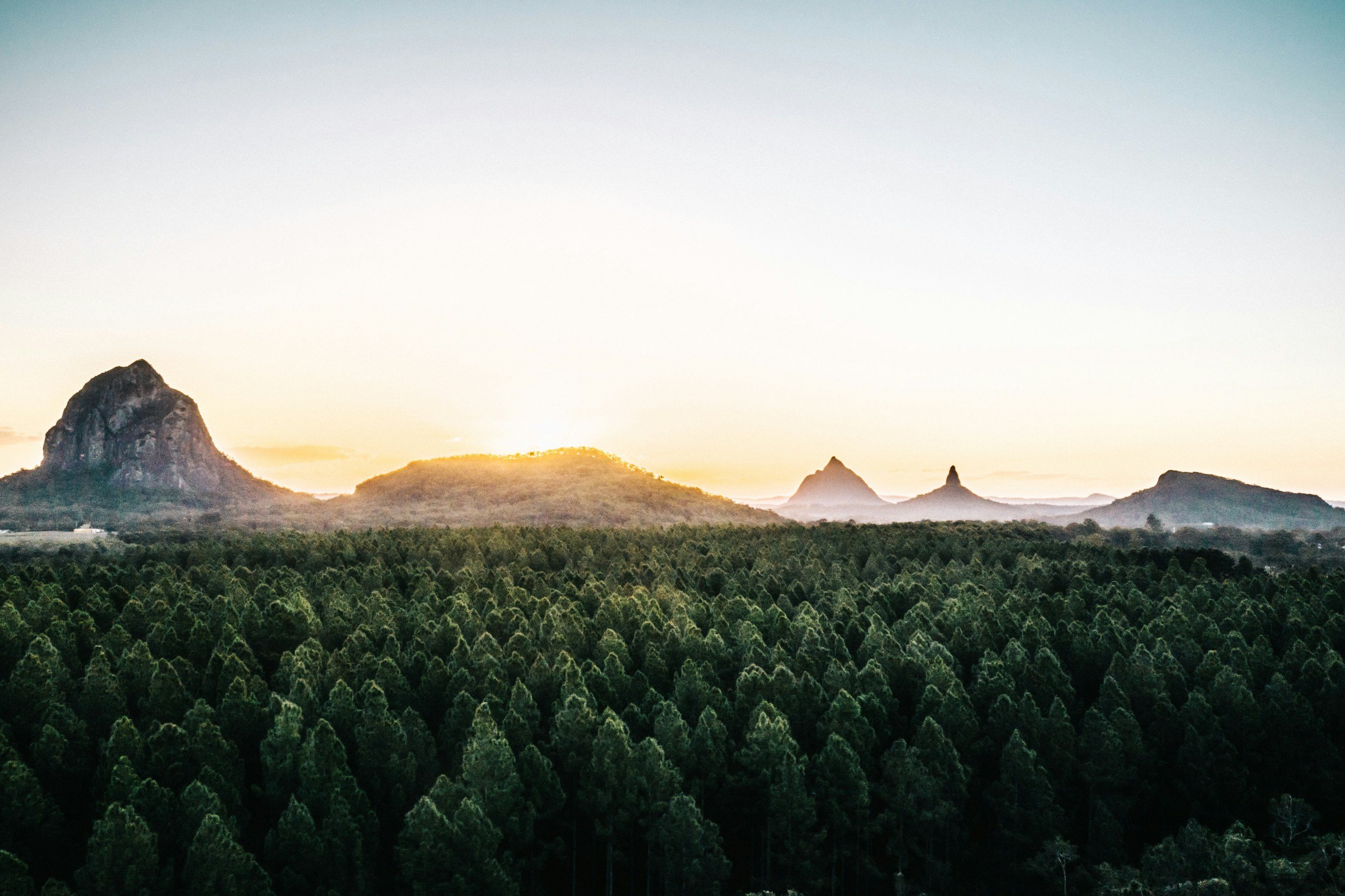
Mount Beerwah
GLASS HOUSE MOUNTAINS NP
-
![]()
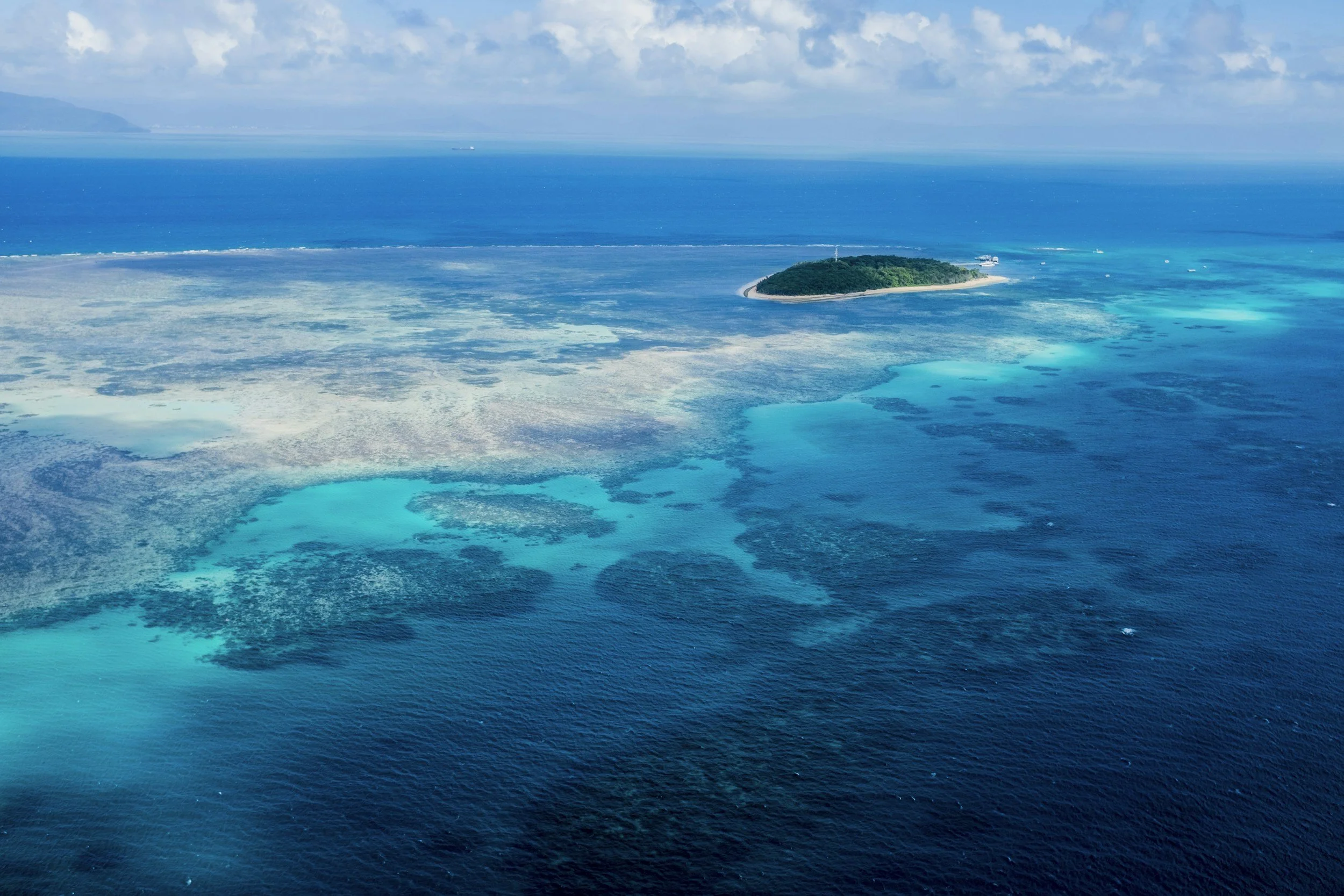
Great Barrier Reef
CAIRNS
-
![]()
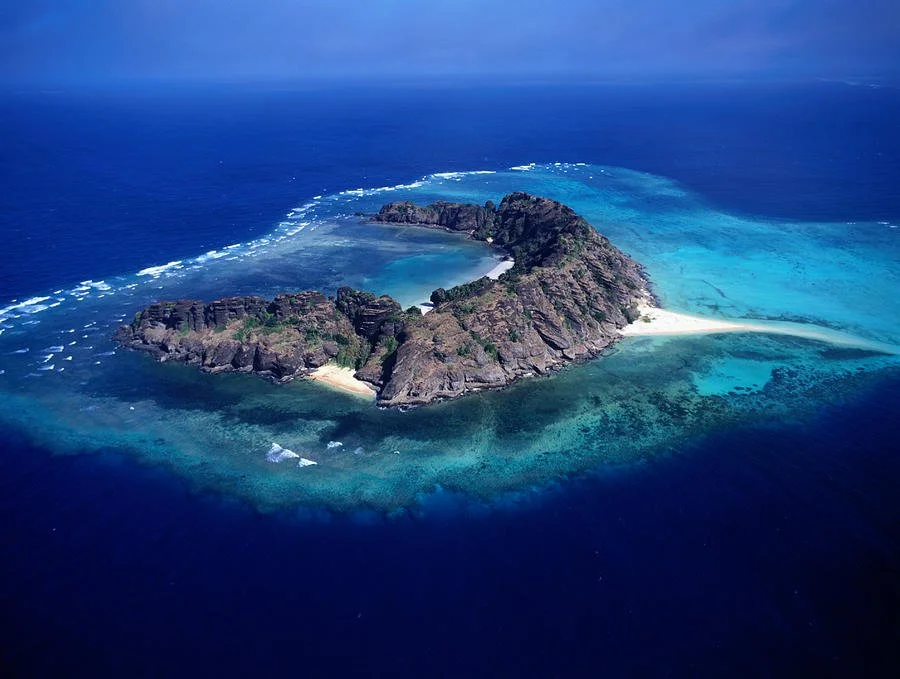
Dauar Island & Waier Islet
TORRES STRAIT ISLANDS
-
![]()
Burrungkuy
KAKADU NATIONAL PARK
-
![]()
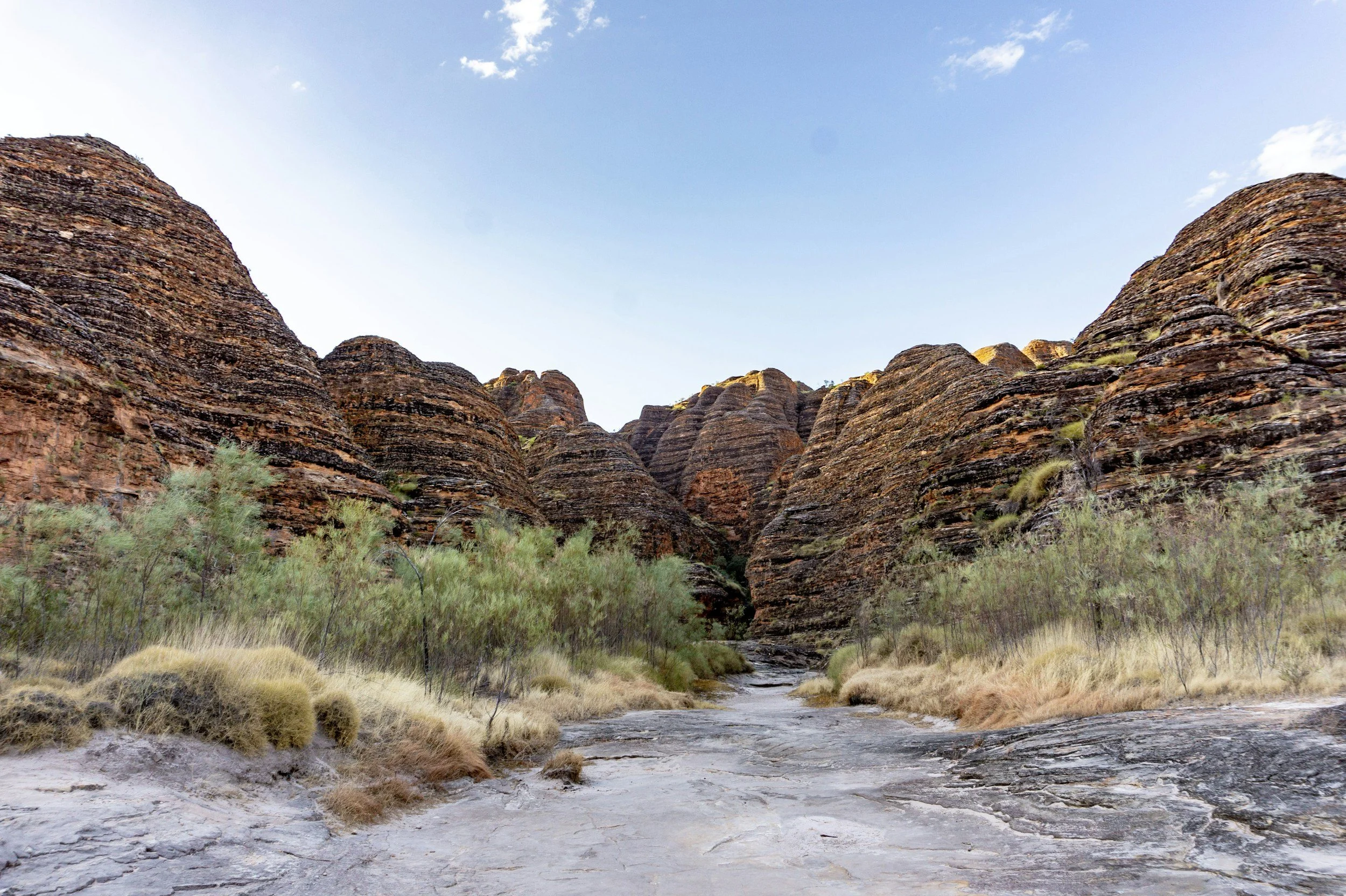
Bungle Bungle Range
PURNULULU NATIONAL PARK
-
![]()
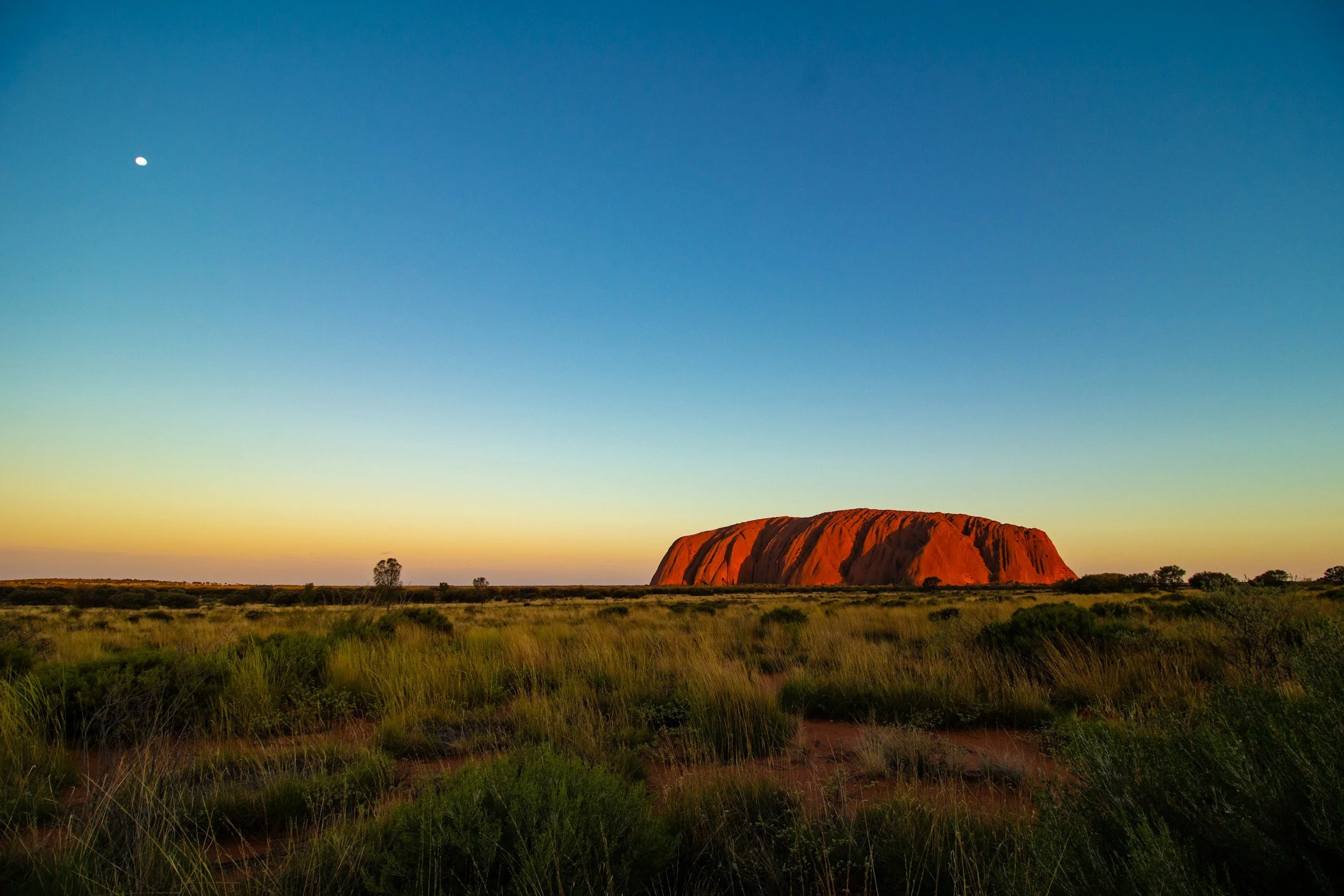
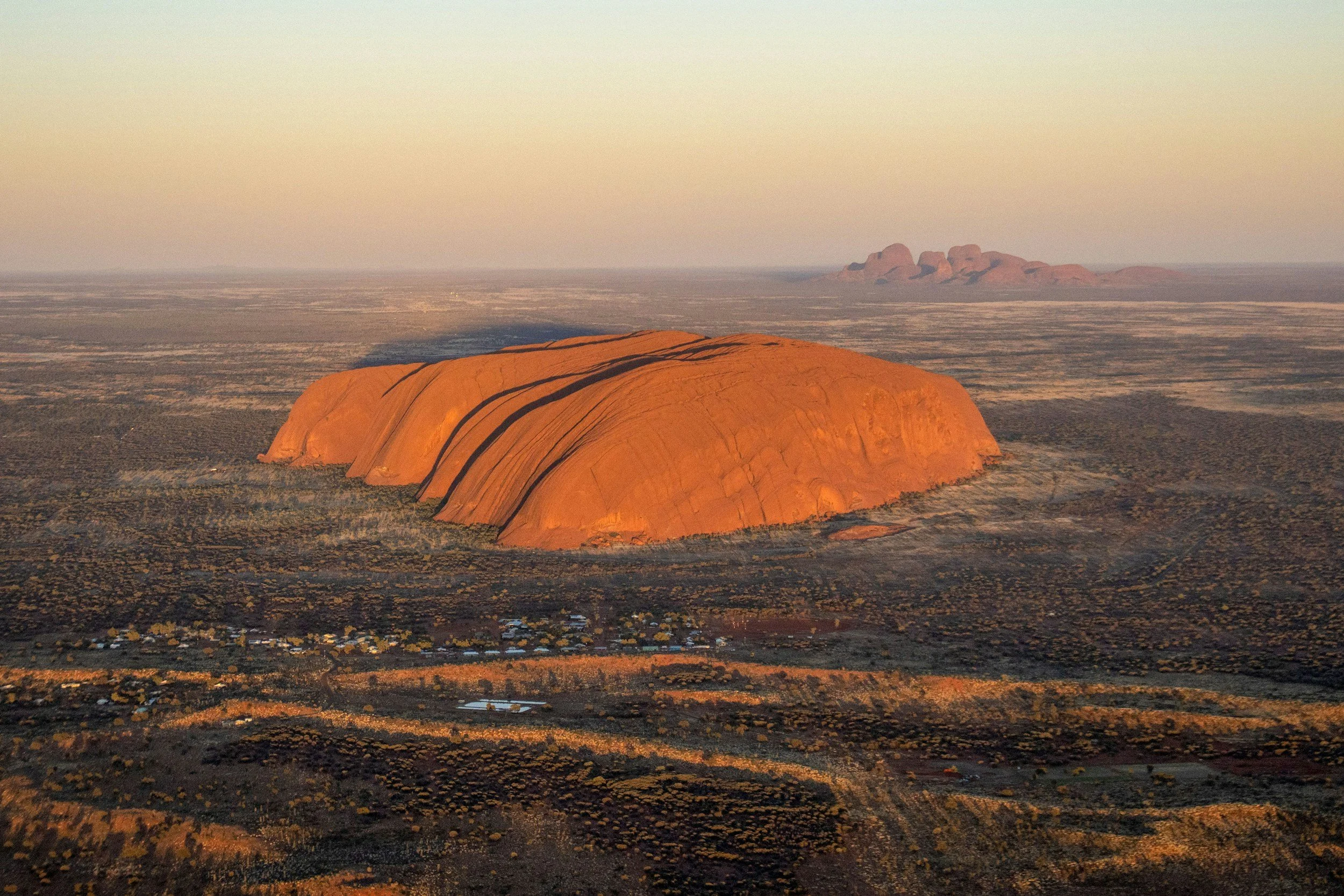
Uluru
ULURU - KATA TJUTA NP
-
![]()
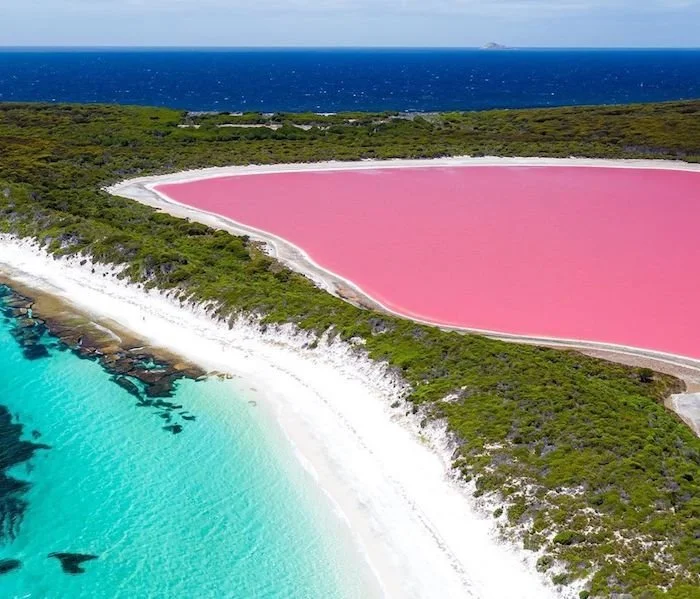
Lake Hillier
GOLDFIELDS ESPERANCE
-
![]()
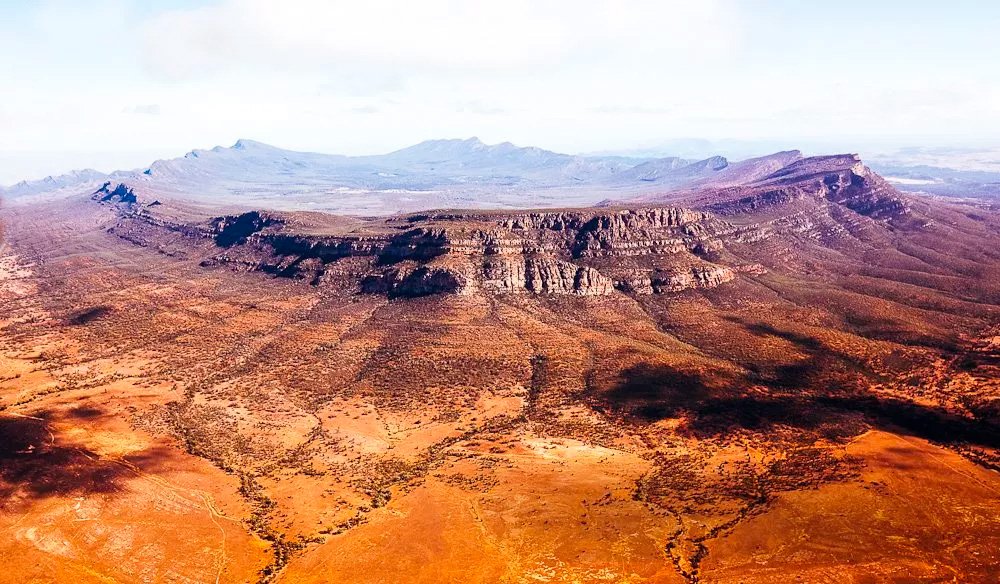
Wilpena Pound
FLINDERS RANGES NP
-
![]()
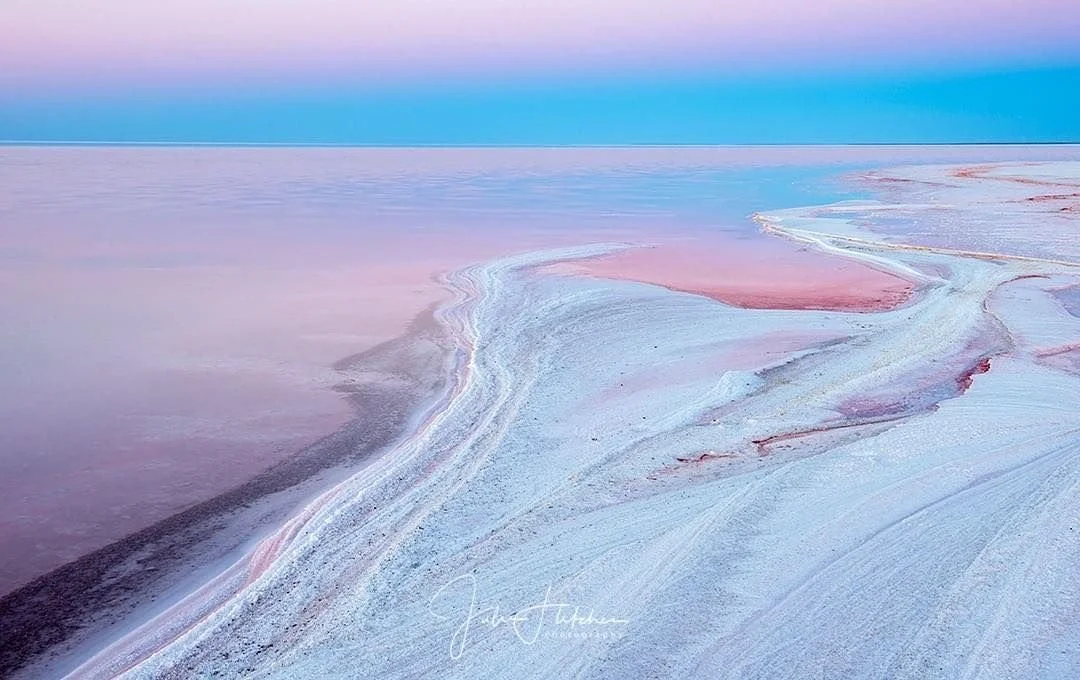
Kati Thanda - Lake Eyre
KATI THANDA - LAKE EYRE NP
-
![]()
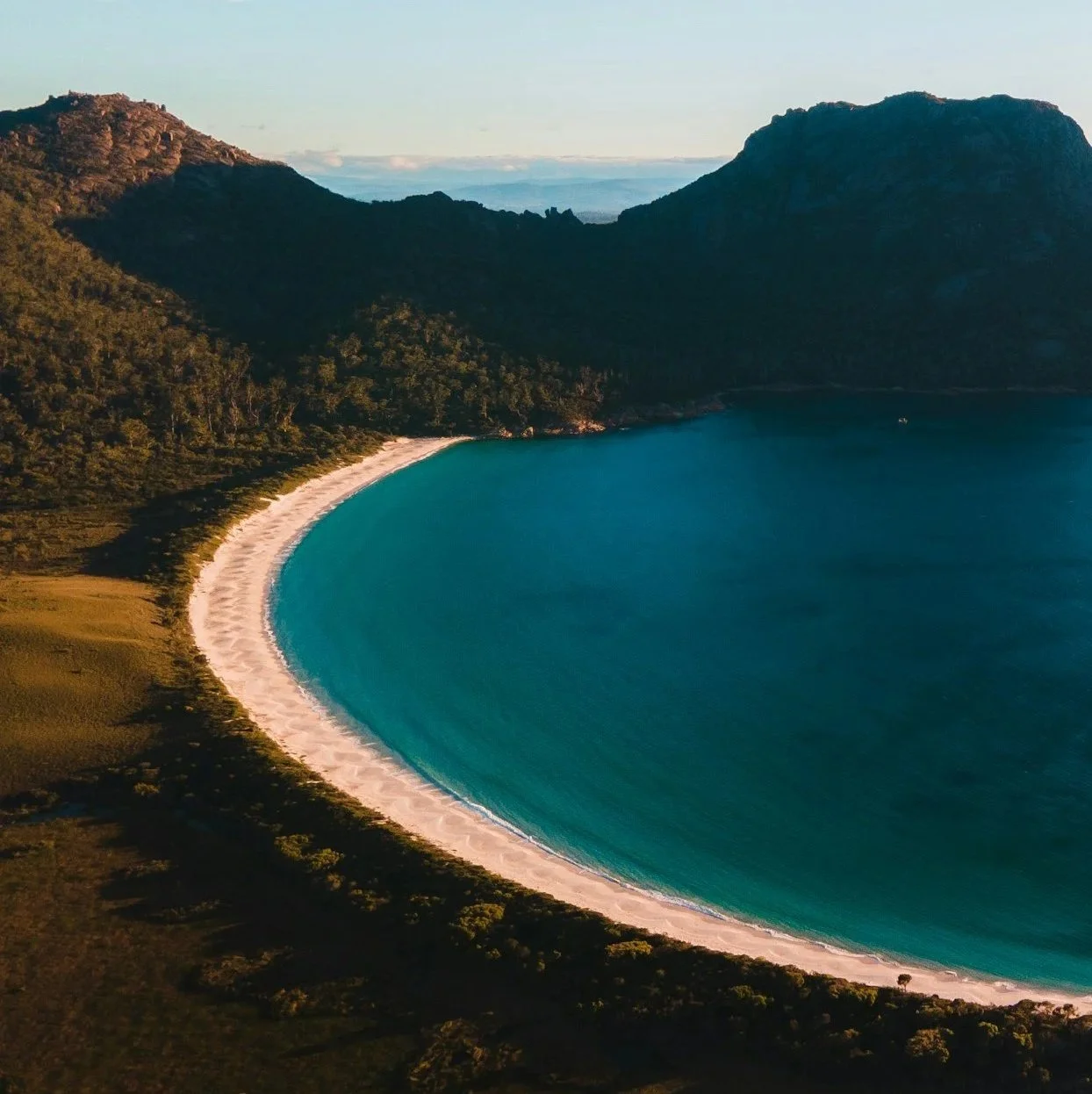
Wineglass Bay
FREYCINET NATIONAL PARK
-
![]()
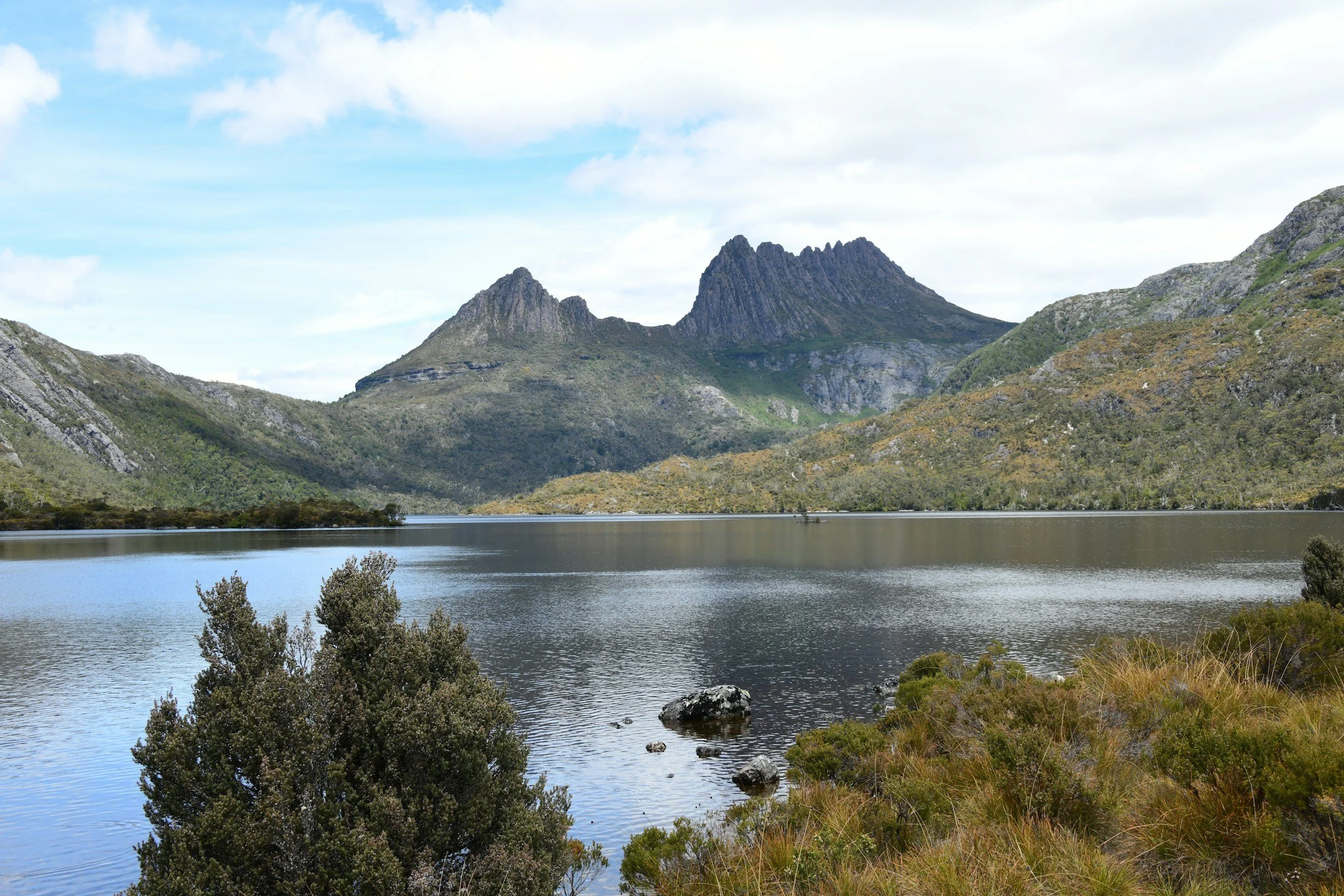
Dove Lake
CRADLE MOUNTAIN NATIONAL PARK
-
![]()
Twelve Apostles
PORT CAMPBELL NATIONAL PARK
-
![]()
Redman Bluff
GRAMPIANS NATIONAL PARK
-
![]()
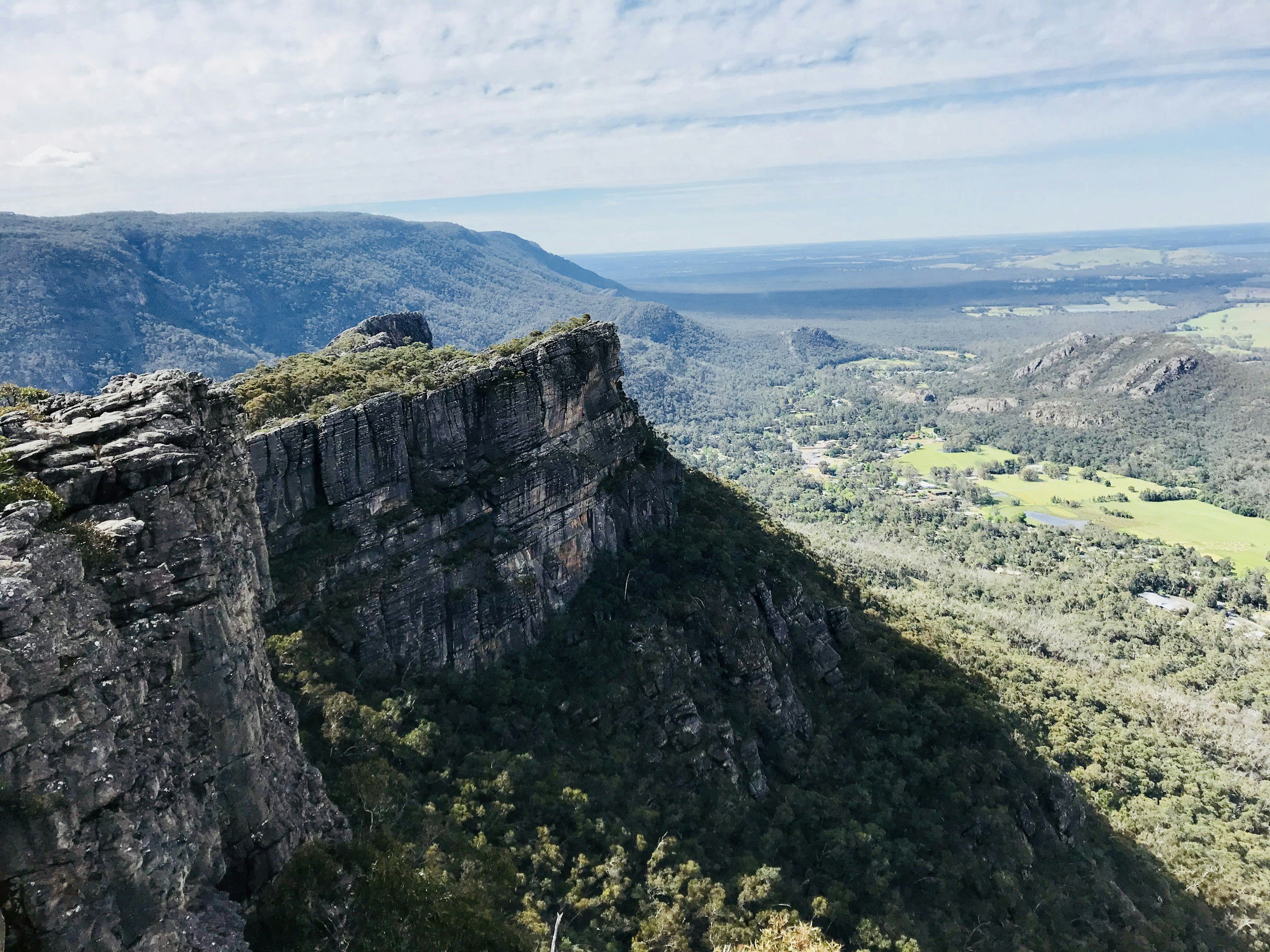
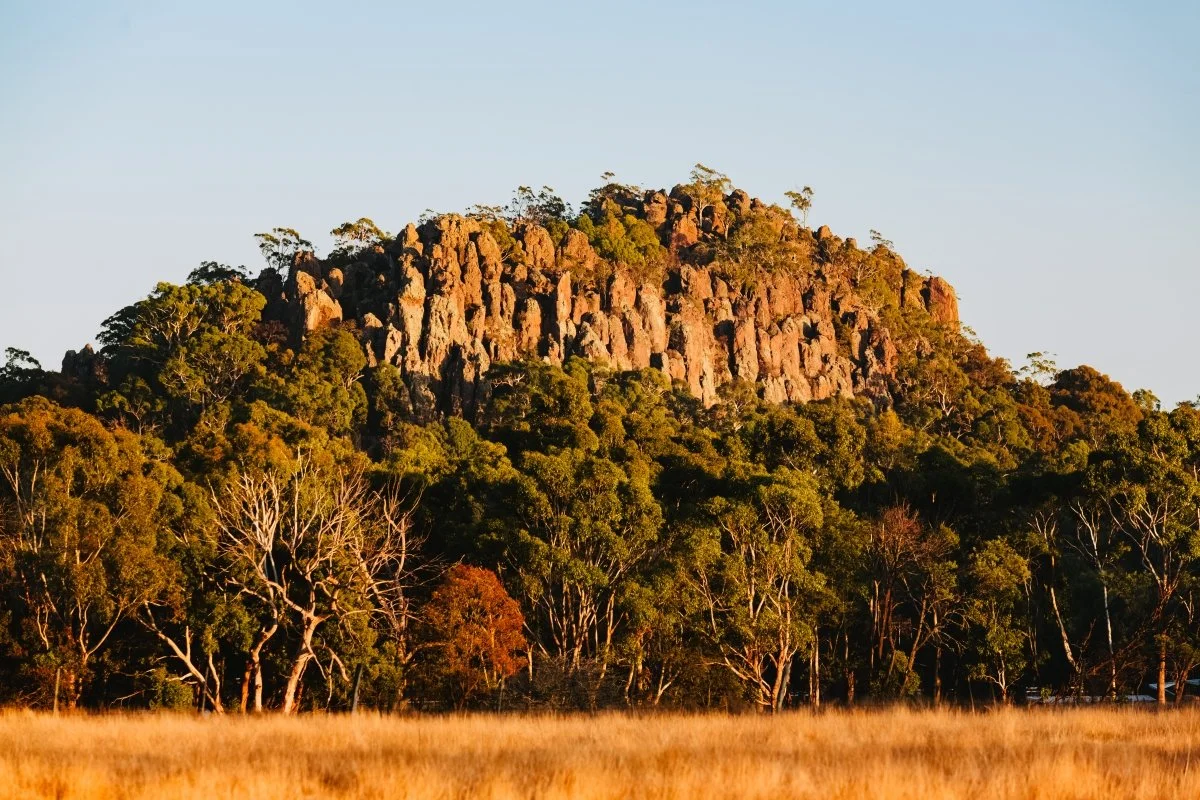
Hanging Rock
MACEDON RANGES
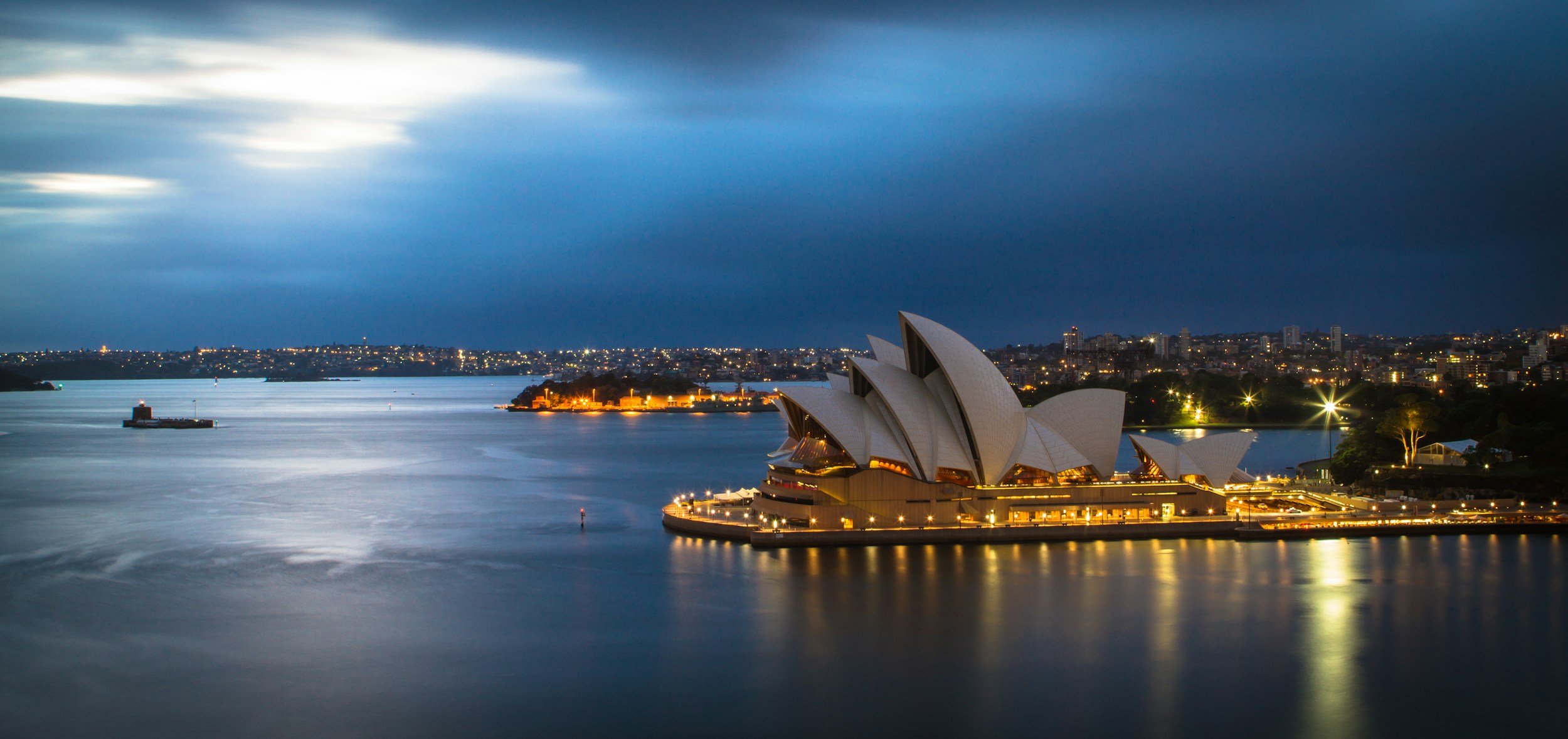
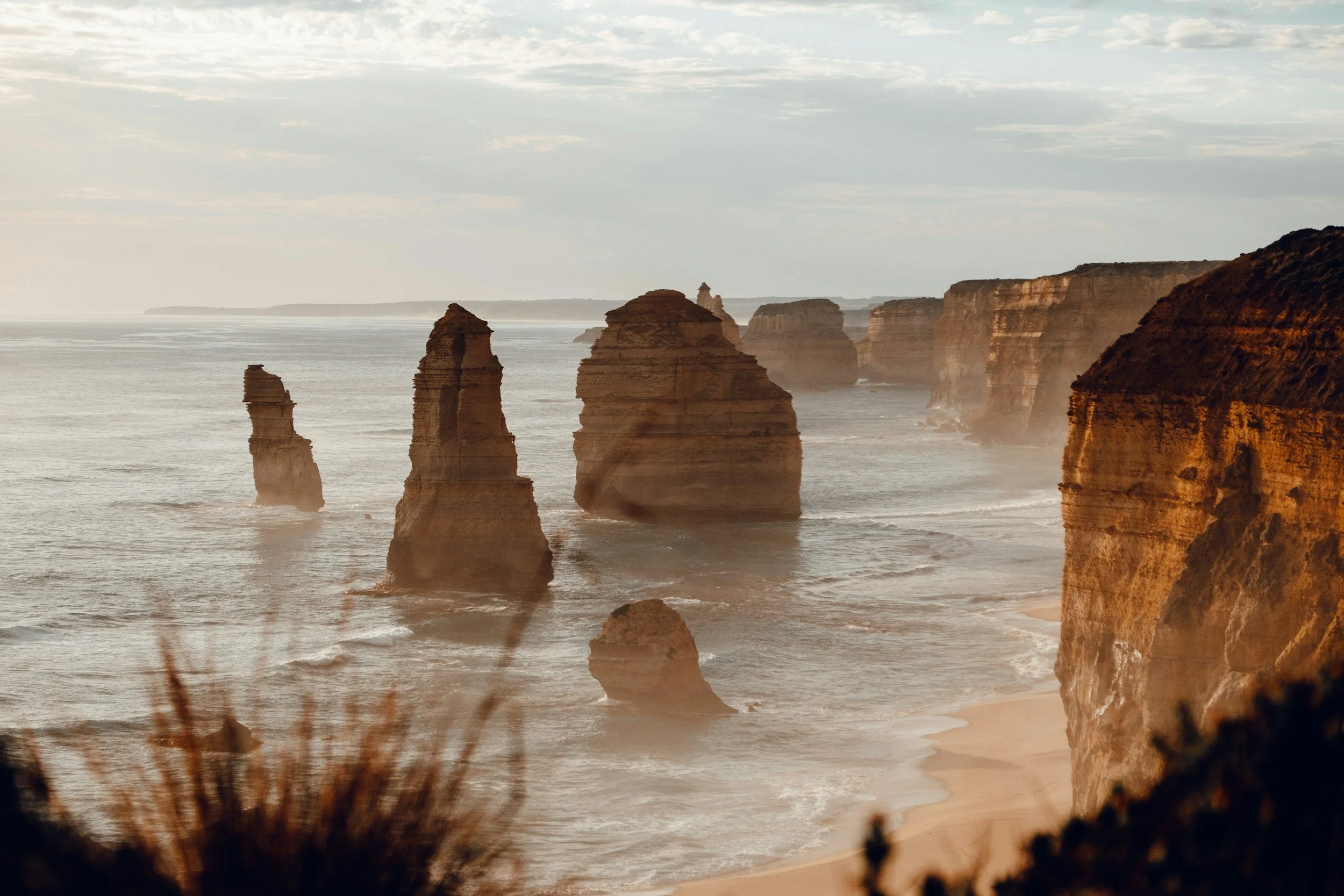
Landmark 1 | 14-18 Oct, 2026
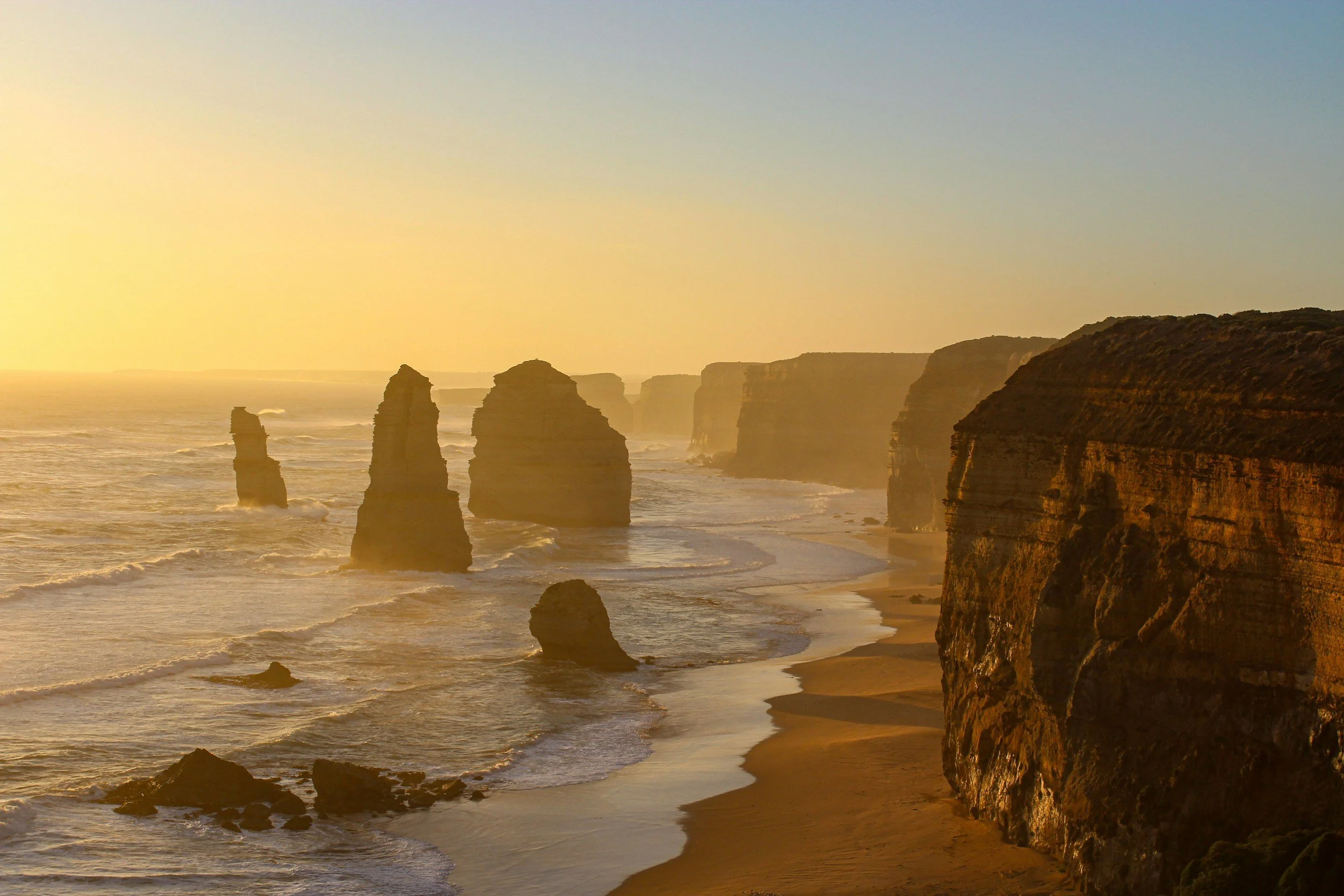
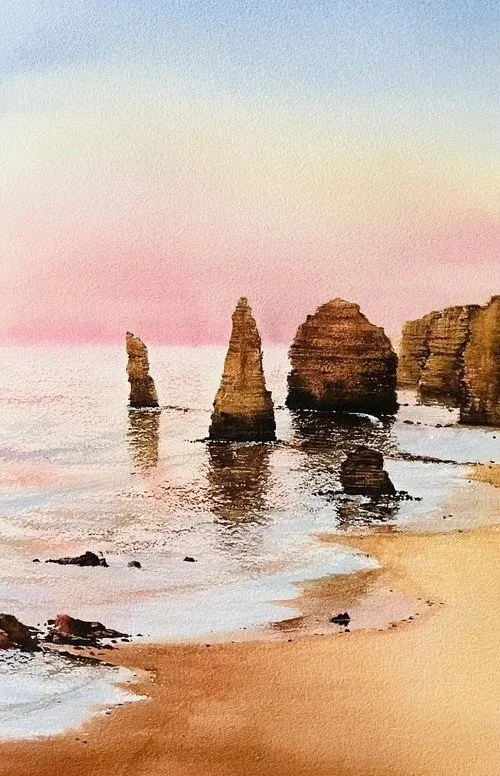
Twelve Apostles
I've done the Great Ocean Walk before, but this time I'm going with a different intention. Not to see as much as I can, but to spend more time in one place. The Twelve Apostles will be the first of seventeen landscapes I'll visit as part of this Project.
I'll spend four days painting on location. I'll return to the same spot at different hours, watching how the changing light and shadows transform the landmark. I'm curious to see what four days of immersion in landscape might reveal that a hurried visit or painting from a photograph never could.
Velocity, Billy Collins
… I also drew many lines to indicate speed, to show the air becoming visible… I imagine, we would all appear to have speed lines trailing behind us as we rush along the road of the world, as we rush down the long tunnel of time…
In the club car that morning I had my notebook
open on my lap and my pen uncapped,
looking every inch the writer
right down to the little writer’s frown on my face,
but there was nothing to write
about except life and death
and the low warning sound of the train whistle.
I did not want to write about the scenery
that was flashing past, cows spread over a pasture,
hay rolled up meticulously —
things you see once and will never see again.
But I kept my pen moving by drawing
over and over again
the face of a motorcyclist in profile —
for no reason I can think of —
a biker with sunglasses and a weak chin,
leaning forward, helmetless,
his long thin hair trailing behind him in the wind.
I also drew many lines to indicate speed,
to show the air becoming visible
as it broke over the biker’s face
the way it was breaking over the face
of the locomotive that was pulling me
toward Omaha and whatever lay beyond Omaha
for me and all the other stops to make
before the time would arrive to stop for good.
We must always look at things
from the point of view of eternity,
the college theologians used to insist,
from which, I imagine, we would all
appear to have speed lines trailing behind us
as we rush along the road of the world,
as we rush down the long tunnel of time —
the biker, of course, drunk on the wind,
but also the man reading by a fire,
speed lines coming off his shoulders and his book,
and the woman standing on a beach
studying the curve of horizon,
even the child asleep on a summer night,
speed lines flying from the posters of her bed,
from the white tips of the pillowcases,
and from the edges of her perfectly motionless body.
As Speed increases, Time decreases, Richard Feynman
Singularity, Marie Howe
Where is Home? Pico Iyer